

Harnessing Solar Energy: The Benefits of Solar Panels for Industrial Buildings
Release time:
Jun 23,2025
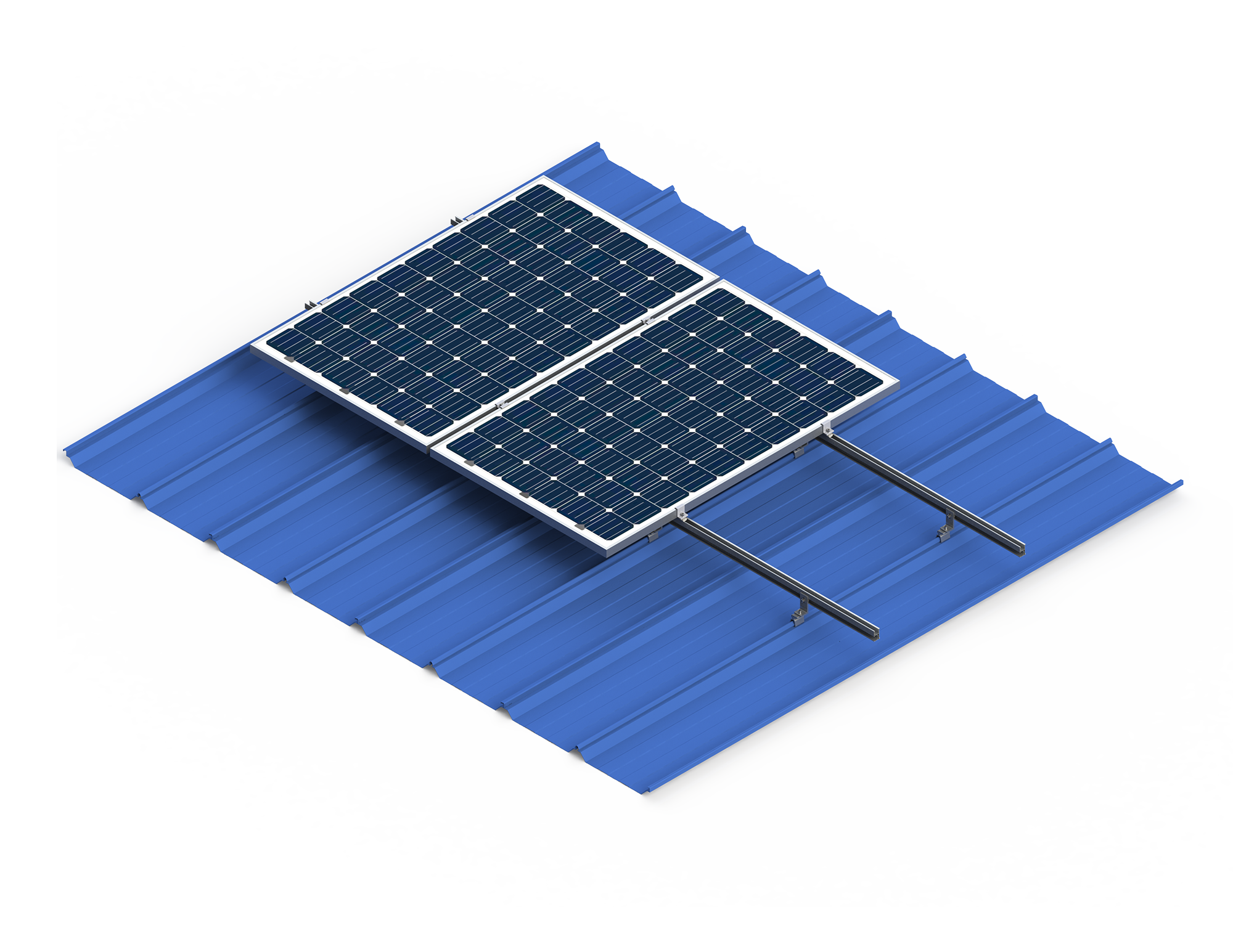
In recent years, the adoption of solar panels for industrial buildings has gained significant traction, as organizations increasingly seek sustainable energy solutions. Solar panels, also known as photovoltaic (PV) systems, convert sunlight into electricity, providing a renewable energy source that can greatly reduce dependence on fossil fuels. For industrial buildings, this shift to solar energy not only aligns with global sustainability initiatives but also offers numerous practical benefits.
One of the most compelling advantages of solar panels for industrial buildings is the potential for substantial cost savings. By generating their own electricity, businesses can offset their energy bills, which can be particularly high in energy-intensive sectors. With the decreasing cost of solar technology and the increasing efficiency of modern PV systems, implementing solar energy solutions has never been more economically viable. Additionally, many governments and local authorities offer incentives and tax rebates for businesses that invest in renewable energy, further enhancing the financial appeal.
Moreover, the installation of solar panels can lead to a significant reduction in carbon footprint. Industrial buildings are often responsible for substantial greenhouse gas emissions due to their energy consumption. By utilizing solar energy, companies can make a meaningful contribution toward reducing their environmental impact. This commitment to sustainability can also enhance a company’s brand image, appealing to environmentally conscious consumers and stakeholders.
From an operational perspective, solar panels can offer energy independence. By producing their own electricity, industrial buildings reduce their vulnerability to fluctuations in energy prices and supply chain disruptions. This reliability can be crucial for businesses that rely on uninterrupted power for their operations. Furthermore, the integration of solar energy systems can lead to increased energy security, making it less dependent on external sources.
When considering solar panels for industrial buildings, it is essential to assess the specific energy needs and available roof space for installation. Proper planning and a thorough evaluation of the building's energy consumption can help determine the most effective system size and configuration. Collaborating with experienced solar energy professionals can ensure that the system is tailored to meet the unique demands of the facility.
In conclusion, solar panels for industrial buildings represent a forward-thinking approach to energy management that can yield significant economic, environmental, and operational benefits. By investing in solar energy, businesses can take a pivotal step towards sustainability while enhancing their bottom line. As the technology continues to evolve, the potential for integrating solar solutions into industrial operations will only expand, paving the way for a greener future.
One of the most compelling advantages of solar panels for industrial buildings is the potential for substantial cost savings. By generating their own electricity, businesses can offset their energy bills, which can be particularly high in energy-intensive sectors. With the decreasing cost of solar technology and the increasing efficiency of modern PV systems, implementing solar energy solutions has never been more economically viable. Additionally, many governments and local authorities offer incentives and tax rebates for businesses that invest in renewable energy, further enhancing the financial appeal.
Moreover, the installation of solar panels can lead to a significant reduction in carbon footprint. Industrial buildings are often responsible for substantial greenhouse gas emissions due to their energy consumption. By utilizing solar energy, companies can make a meaningful contribution toward reducing their environmental impact. This commitment to sustainability can also enhance a company’s brand image, appealing to environmentally conscious consumers and stakeholders.
From an operational perspective, solar panels can offer energy independence. By producing their own electricity, industrial buildings reduce their vulnerability to fluctuations in energy prices and supply chain disruptions. This reliability can be crucial for businesses that rely on uninterrupted power for their operations. Furthermore, the integration of solar energy systems can lead to increased energy security, making it less dependent on external sources.
When considering solar panels for industrial buildings, it is essential to assess the specific energy needs and available roof space for installation. Proper planning and a thorough evaluation of the building's energy consumption can help determine the most effective system size and configuration. Collaborating with experienced solar energy professionals can ensure that the system is tailored to meet the unique demands of the facility.
In conclusion, solar panels for industrial buildings represent a forward-thinking approach to energy management that can yield significant economic, environmental, and operational benefits. By investing in solar energy, businesses can take a pivotal step towards sustainability while enhancing their bottom line. As the technology continues to evolve, the potential for integrating solar solutions into industrial operations will only expand, paving the way for a greener future.
Related News


Social Media
Contact
Add:Room 906, No. 990 Anling Road, Huli District, Xiamen City, Fujian Province
Tel: +86-17359890759 / +86-18633699291
Email:egsolar@egsolarsystem.com
Copyright © 2024 Evergreen Solar New Energy Co., Ltd