

Maximizing Energy Efficiency with Solar Panels in Commercial Buildings: A Comprehensive Guide
Release time:
Jun 30,2025
Maximizing Energy Efficiency with Solar Panels in Commercial Buildings
Table of Contents
1. Introduction to Solar Energy in Commercial Buildings
2. Understanding Energy Efficiency and Its Importance
2.1 Economic Benefits of Energy Efficiency
2.2 Environmental Impact of Energy-Efficient Practices
3. How Solar Panels Enhance Energy Efficiency
3.1 The Mechanics of Solar Panels
3.2 Types of Solar Panels Suitable for Commercial Use
4. Key Considerations for Implementing Solar Panels
4.1 Site Assessment and Feasibility Studies
4.2 Regulatory Compliance and Incentives
5. Designing an Efficient Solar Energy System
5.1 Sizing the Solar System
5.2 Integration with Existing Electrical Systems
6. Monitoring and Maintaining Solar Panel Systems
7. Case Studies: Successful Implementation of Solar Panels in Commercial Spaces
8. Frequently Asked Questions (FAQs)
9. Conclusion
1. Introduction to Solar Energy in Commercial Buildings
The integration of **solar panels** into commercial buildings has emerged as a pivotal strategy for maximizing **energy efficiency**. As organizations increasingly seek sustainable solutions, solar energy offers both economic and environmental advantages. By harnessing the sun's power, businesses can significantly reduce their reliance on conventional energy sources, leading to lower utility bills and a smaller carbon footprint.
2. Understanding Energy Efficiency and Its Importance
Energy efficiency refers to the process of using less energy to provide the same level of energy service. It plays a crucial role in sustainable development, particularly in commercial buildings where energy consumption can be substantial.
2.1 Economic Benefits of Energy Efficiency
Investing in energy-efficient solutions is not just an ethical choice; it is financially sound. Businesses that embrace energy efficiency can experience reduced operational costs, increased asset value, and improved financial performance. With solar panels, the return on investment (ROI) can be substantial, often recouping initial costs within a few years through savings on electricity bills.
2.2 Environmental Impact of Energy-Efficient Practices
The environmental benefits of energy efficiency cannot be overstated. By reducing energy consumption, businesses can mitigate greenhouse gas emissions and conserve natural resources. This commitment to sustainability can enhance a company's reputation, attract eco-conscious customers, and fulfill corporate social responsibility goals.
3. How Solar Panels Enhance Energy Efficiency
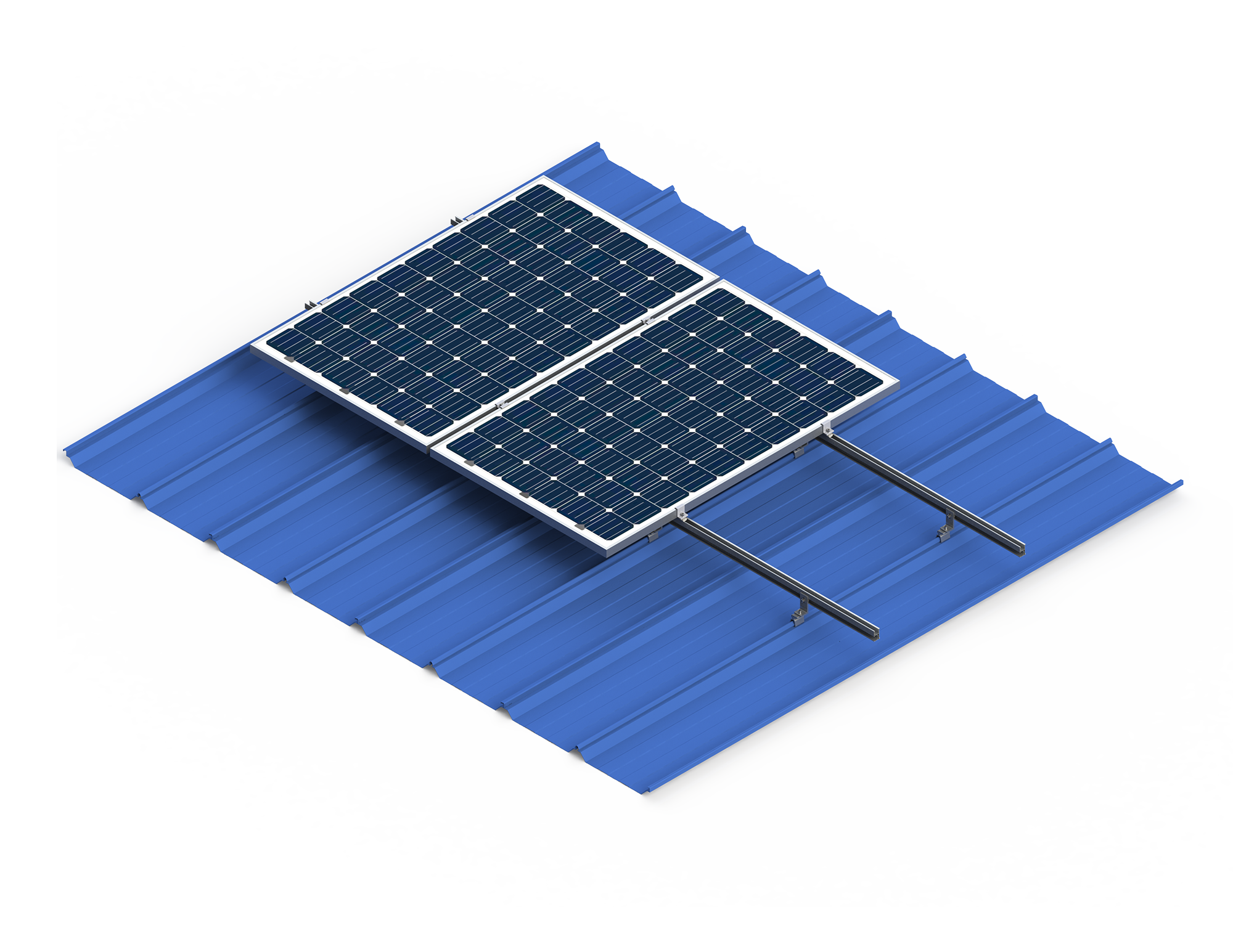
Solar panels are a fundamental component of modern energy-efficient systems. They convert sunlight into electricity, providing a renewable source of energy for commercial buildings.
3.1 The Mechanics of Solar Panels
Solar panels operate through photovoltaic cells that convert sunlight into direct current (DC) electricity. This electricity can be used to power building operations or stored in batteries for later use. The technology has advanced significantly, leading to higher efficiency rates and lower costs.
3.2 Types of Solar Panels Suitable for Commercial Use
Several types of solar panels are available for commercial applications, including:
- **Monocrystalline Solar Panels:** Known for high efficiency and a sleek appearance, these panels are made from single-crystal silicon.
- **Polycrystalline Solar Panels:** These are more affordable but slightly less efficient, making them a popular choice for large installations.
- **Thin-Film Solar Panels:** Lightweight and flexible, these panels can be integrated into various building materials but may require more space for installation.
Each type has its advantages and is suitable for different commercial applications.
4. Key Considerations for Implementing Solar Panels
Successful implementation of solar panels in commercial buildings requires careful planning and consideration.
4.1 Site Assessment and Feasibility Studies
Before installation, a thorough site assessment is critical. Factors such as roof orientation, shading from nearby structures, and local climate conditions can impact solar panel performance. A feasibility study helps determine the potential energy output and savings over time.
4.2 Regulatory Compliance and Incentives
Understanding local regulations and incentives is essential for maximizing the benefits of solar energy. Many governments offer tax credits, rebates, and other financial incentives for businesses that invest in solar technology. Compliance with zoning laws and building codes is also crucial to avoid fines and ensure a smooth installation process.
5. Designing an Efficient Solar Energy System
A well-designed solar energy system is key to achieving maximum energy efficiency.
5.1 Sizing the Solar System
Properly sizing the solar panel system involves calculating the energy needs of the building. This assessment ensures that the installation can meet the energy demands without excess capacity. Over-sizing can lead to unnecessary expenses, while under-sizing may result in insufficient energy supply.
5.2 Integration with Existing Electrical Systems
Integrating the solar energy system with existing electrical infrastructure is vital for maximizing efficiency. This includes ensuring that the solar system works seamlessly with the grid, battery storage, and any backup generators. Advanced monitoring systems can also track energy production and consumption, optimizing overall performance.
6. Monitoring and Maintaining Solar Panel Systems
Ongoing monitoring and maintenance are necessary to ensure that solar panels operate at peak efficiency. Regular inspections can identify issues such as dirt accumulation, shading, or equipment malfunctions. Many modern systems include monitoring software that provides real-time data on energy production and system performance.
7. Case Studies: Successful Implementation of Solar Panels in Commercial Spaces
Examining real-world examples of commercial buildings that have successfully integrated solar panels can provide valuable insights. Many businesses have reported significant cost savings and enhanced sustainability. For instance, a corporate office building that installed solar panels reduced its energy bills by over 50%, while a manufacturing facility achieved energy independence through a large-scale solar installation.
8. Frequently Asked Questions (FAQs)
1. How long do solar panels last?
Solar panels typically have a lifespan of 25 to 30 years, with many manufacturers providing warranties for this duration.
2. What are the maintenance costs associated with solar panels?
Maintenance costs are generally low, often consisting of periodic cleaning and inspections. Many systems require minimal upkeep.
3. Can solar panels work in cloudy climates?
Yes, solar panels can still generate electricity in cloudy conditions, although their efficiency may be reduced. They can also store energy for use when sunlight is limited.
4. What is the return on investment for solar panels in commercial buildings?
The ROI can vary based on installation costs, local energy prices, and available incentives. However, many businesses see payback periods of 5 to 10 years.
5. Are there financing options available for solar panel installations?
Yes, various financing options are available, including loans, leases, and power purchase agreements (PPAs), making solar energy accessible for businesses of all sizes.
9. Conclusion
Maximizing energy efficiency through solar panels in commercial buildings is not only a viable strategy but also a necessary one in today’s eco-conscious landscape. By understanding the mechanics of solar technology, conducting thorough assessments, and designing efficient systems, businesses can reap significant economic and environmental benefits. Investing in solar energy is a step toward a sustainable future, allowing companies to reduce operational costs while contributing positively to the planet. Embracing solar energy is not just an option; it’s a necessity for forward-thinking businesses aiming to thrive in a competitive market.
Related News


Social Media
Contact
Add:Room 906, No. 990 Anling Road, Huli District, Xiamen City, Fujian Province
Tel: +86-17359890759 / +86-18633699291
Email:egsolar@egsolarsystem.com
Copyright © 2024 Evergreen Solar New Energy Co., Ltd