
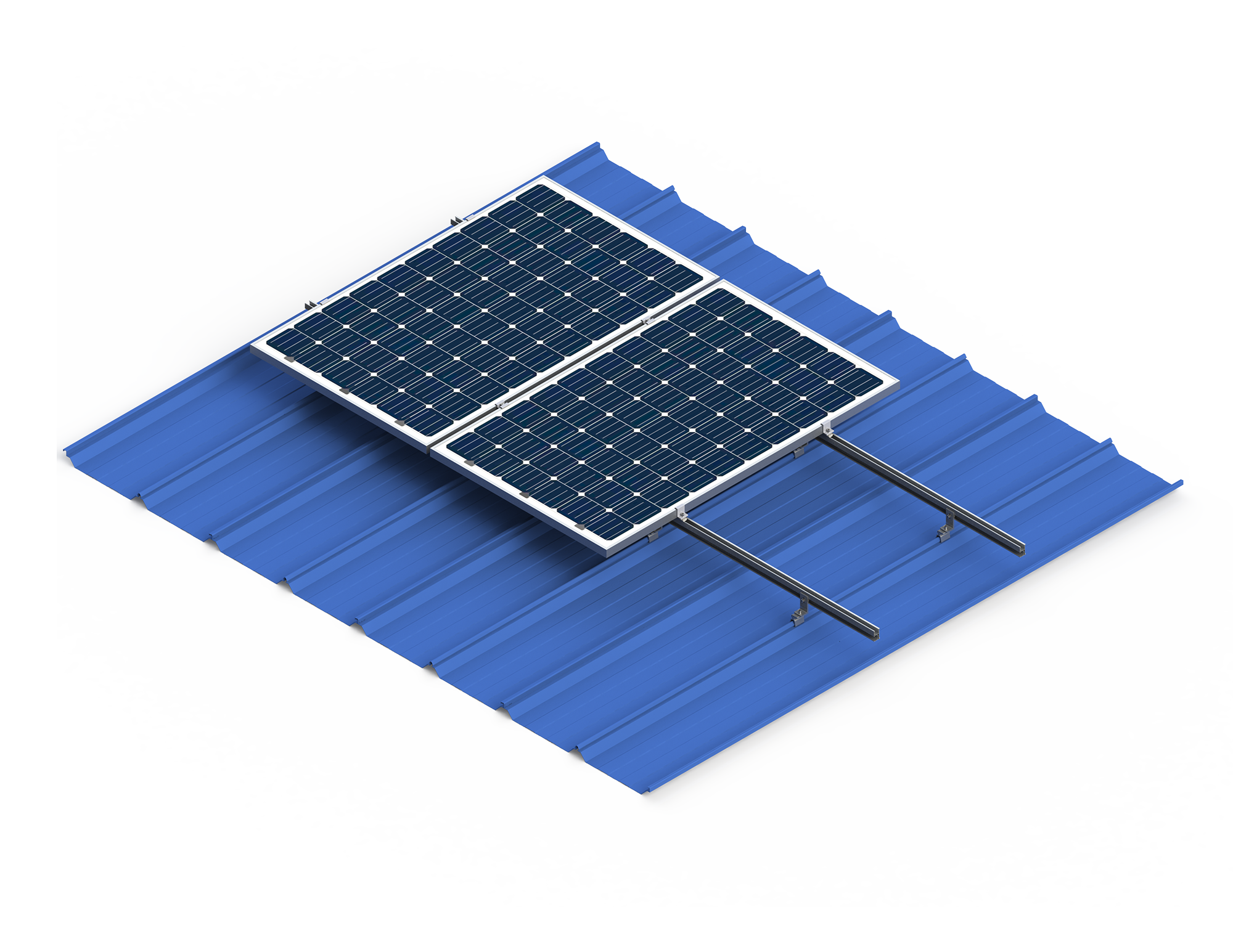

Why Solar Panels are Essential for Modern Industrial Buildings
Release time:
Jun 16,2025
Why Solar Panels are Essential for Modern Industrial Buildings
Table of Contents
- 1. Introduction to Solar Energy in Industry
- 2. Benefits of Solar Panels for Industrial Buildings
- 2.1 Cost Savings and Financial Benefits
- 2.2 Energy Independence and Reliability
- 2.3 Environmental Impact and Sustainability
- 3. Solar Technologies for Industrial Applications
- 4. Regulations and Incentives in Solar Energy
- 5. Implementing Solar Panels in Industrial Settings
- 6. Challenges and Solutions in Solar Adoption
- 7. Future of Solar Energy in Industrial Buildings
- 8. Conclusion
- 9. FAQs
1. Introduction to Solar Energy in Industry
In recent years, the increasing demand for sustainable energy solutions has led to significant interest in solar energy, particularly within the industrial sector. As energy prices continue to rise and environmental concerns gain traction, **solar panels have emerged as a viable option for modern industrial buildings**. This article explores why solar panels are not just an alternative energy source but an essential component of contemporary industrial infrastructure.
2. Benefits of Solar Panels for Industrial Buildings
Solar panels offer a multitude of advantages that can transform the energy landscape of industrial buildings. Here’s a closer look at some of these key benefits.
2.1 Cost Savings and Financial Benefits
One of the most compelling reasons to invest in solar panels is the potential for substantial **cost savings**. By harnessing the sun’s energy, industrial operations can significantly reduce their electricity bills.
- **Long-term Savings**: Though the initial investment in solar technology may be considerable, the long-term savings on energy costs often pay off within a few years.
- **Tax Incentives**: Many governments provide tax breaks, grants, and incentives for businesses that invest in solar energy, further lowering the upfront costs.
- **Increased Property Value**: Properties equipped with solar panels often see an increase in value, making them more attractive in the market.
2.2 Energy Independence and Reliability
Energy independence is crucial in today’s volatile energy market. Solar panels provide industrial buildings with a **reliable power source** that is not subject to the fluctuations of traditional energy markets.
- **Reduced Dependence on Grid Power**: By generating their own electricity, businesses can insulate themselves from rising utility rates and energy shortages.
- **Energy Resilience**: In case of natural disasters or grid failures, solar panels can provide a continuous power supply, ensuring operations remain uninterrupted.
2.3 Environmental Impact and Sustainability
Solar energy is one of the cleanest forms of energy available, making it a cornerstone for sustainable industrial practices.
- **Reduction of Carbon Footprint**: By shifting to solar energy, industries can significantly lower their greenhouse gas emissions.
- **Corporate Responsibility**: Using renewable energy sources helps companies uphold their commitment to sustainable practices and corporate social responsibility (CSR), enhancing their reputation in the market.
3. Solar Technologies for Industrial Applications
Understanding the different **solar technologies** available is essential for industrial buildings considering solar energy.
3.1 Types of Solar Panel Systems
Industries can choose from several types of solar panel systems, each suited for different applications:
- **Photovoltaic (PV) Systems**: These systems convert sunlight directly into electricity and are the most common type of solar technology used in industrial applications.
- **Concentrated Solar Power (CSP)**: CSP systems use mirrors or lenses to concentrate sunlight onto a small area, generating high-temperature heat to produce electricity. They are often used in large-scale operations.
- **Building-Integrated Photovoltaics (BIPV)**: BIPV systems incorporate solar panels into building materials, such as roofs and facades, allowing for seamless integration without additional space requirements.
3.2 Integration with Battery Storage
The integration of battery storage systems with solar panels has revolutionized industrial energy management.
- **Energy Storage Solutions**: Batteries can store excess energy generated during peak sunlight hours for use during non-sunny periods, increasing energy efficiency.
- **Peak Shaving**: By using stored energy during peak demand times, companies can further reduce their energy costs and avoid high utility rates.
4. Regulations and Incentives in Solar Energy
Navigating the regulatory landscape is crucial for industries considering solar energy. Various incentives and regulations can facilitate the adoption of solar panels.
- **Government Incentives**: Many countries provide tax credits, rebates, and grants that can significantly reduce the overall investment costs for solar energy systems.
- **Regulatory Framework**: Understanding local regulations regarding solar installations is essential. Compliance ensures that installations are carried out without legal complications.
5. Implementing Solar Panels in Industrial Settings
The successful implementation of solar panels in industrial settings requires careful planning and execution.
- **Site Assessment**: Conducting a thorough evaluation of the site’s solar potential is critical. Factors such as roof orientation, shading, and available space must be considered.
- **Choosing the Right Partner**: Collaborating with experienced solar energy providers can ensure a smooth installation process and optimal system performance.
- **Installation and Maintenance**: Regular maintenance and monitoring of solar systems are essential to maximize their efficiency and lifespan.
6. Challenges and Solutions in Solar Adoption
While the benefits of solar panels are numerous, industries may face challenges in adopting this technology.
- **High Initial Costs**: The upfront investment can be a barrier for many companies. However, financing options such as power purchase agreements (PPAs) can alleviate this burden.
- **Space Limitations**: Some industrial buildings may lack adequate roof space for solar panels. In such cases, alternatives like ground-mounted systems or solar carports can be considered.
- **Technological Advancements**: Keeping up with rapidly evolving solar technologies can be overwhelming. Industries should stay informed through continuous education and industry resources.
7. Future of Solar Energy in Industrial Buildings
The future of solar energy in industrial buildings looks promising. As technology advances and costs decrease, more industries are expected to adopt solar solutions.
- **Innovations in Solar Technology**: Research and development in solar technology continue to improve efficiency and reduce costs, making solar energy more accessible.
- **Global Trends**: The global shift towards renewable energy is expected to accelerate, with industries playing a pivotal role in this transition.
8. Conclusion
In conclusion, solar panels are not merely a trend; they are an essential investment for modern industrial buildings. With their ability to provide significant cost savings, enhance energy independence, and contribute to environmental sustainability, solar energy solutions are crucial for businesses aiming to thrive in a competitive landscape. By implementing solar technologies today, industries can pave the way for a greener and more sustainable future.
9. FAQs
1. What are the main benefits of solar panels for industrial buildings?
The main benefits include cost savings on electricity, energy independence, and a reduced carbon footprint, contributing to sustainability efforts.
2. How much does it cost to install solar panels in an industrial setting?
The cost varies based on the system size, location, and specific requirements, but financial incentives often help offset the initial investment.
3. Can solar panels work in all climates?
Yes, solar panels can function in various climates, though efficiency may vary based on solar exposure and weather conditions.
4. What types of solar systems are best suited for industrial applications?
Photovoltaic (PV) systems are most common, but Concentrated Solar Power (CSP) and Building-Integrated Photovoltaics (BIPV) can also be effective depending on the application.
5. How do battery storage systems enhance solar energy usage?
Battery storage allows businesses to store excess energy generated during peak sunlight hours for later use, increasing energy efficiency and cost savings.
Related News


Social Media
Contact
Add:Room 906, No. 990 Anling Road, Huli District, Xiamen City, Fujian Province
Tel: +86-17359890759 / +86-18633699291
Email:egsolar@egsolarsystem.com
Copyright © 2024 Evergreen Solar New Energy Co., Ltd