
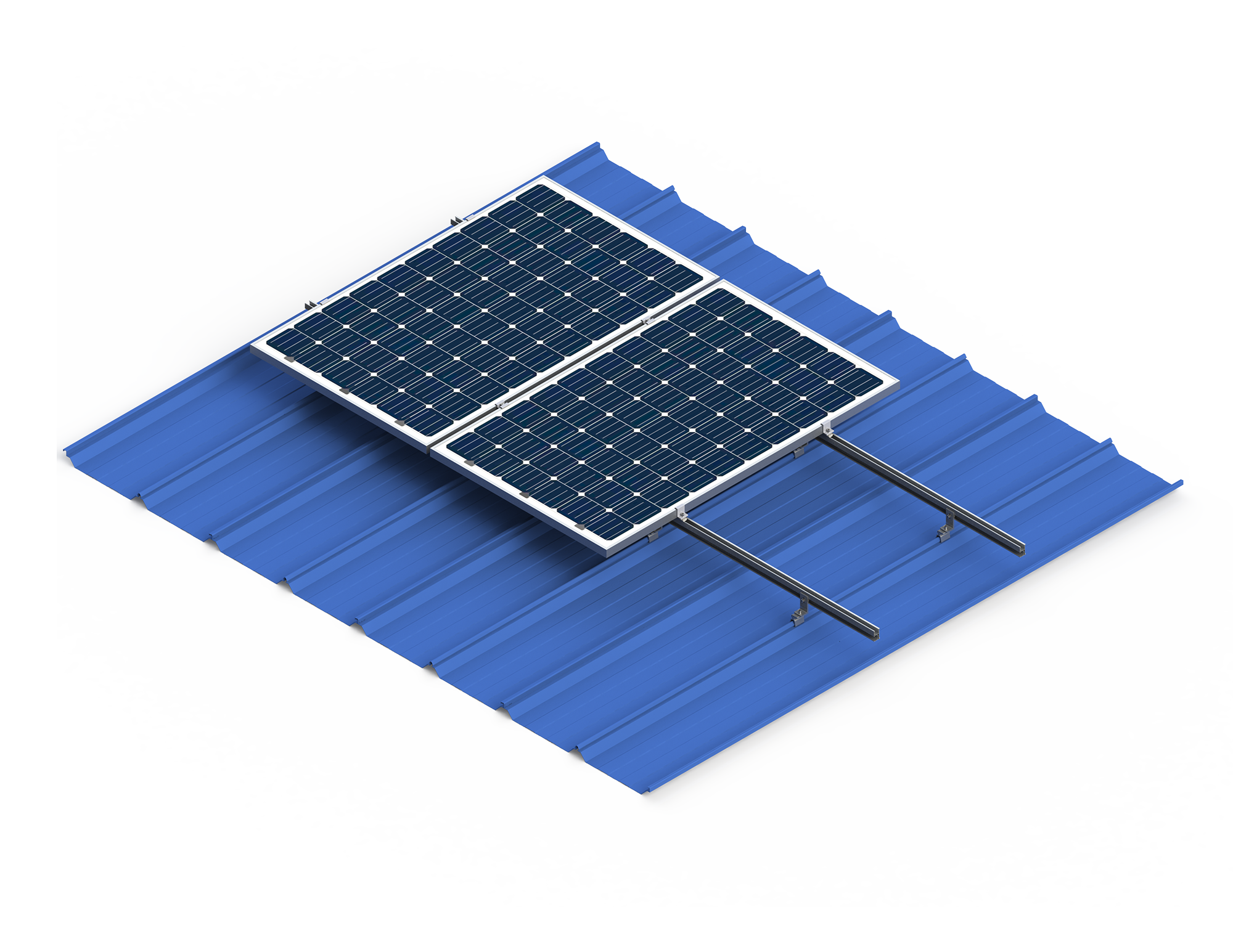

Ground Solar Panel Systems: A Viable Option for Every Home
Release time:
Feb 02,2025
Ground Solar Panel Systems: A Viable Option for Every Home
Table of Contents
- 1. Introduction to Ground Solar Panel Systems
- 2. What Are Ground Solar Panels?
- 3. Benefits of Installing Ground Solar Panel Systems
- 4. Installation Process of Ground Solar Panel Systems
- 5. Maintenance Tips for Ground Solar Panel Systems
- 6. Cost Analysis: Are Ground Solar Panel Systems Worth It?
- 7. Environmental Impact of Ground Solar Panel Systems
- 8. Frequently Asked Questions (FAQs)
- 9. Conclusion
1. Introduction to Ground Solar Panel Systems
As the world shifts towards sustainable energy sources, **ground solar panel systems** have emerged as a popular choice for homeowners looking to harness the sun's power. Unlike traditional rooftop solar installations, ground-mounted systems offer numerous advantages, including greater flexibility in placement and often more efficient energy production. This article delves deep into what these systems are, their benefits, installation processes, and how they can be a viable option for every homeowner.
2. What Are Ground Solar Panels?
Ground solar panels are photovoltaic systems installed on the ground, rather than on rooftops. These systems consist of solar panels mounted on racks or frames that can be adjusted for optimal sunlight exposure. They are ideal for properties with ample land space, particularly in areas where roof-mounted systems may face shading issues or structural limitations. Ground solar panels can be oriented and tilted to capture maximum sunlight throughout the day.
2.1 Types of Ground Solar Panel Systems
There are several types of ground solar panel systems, including:
- **Fixed Tilt Systems**: These systems are stationary and set at a specific angle to optimize solar energy capture.
- **Tracking Systems**: These advanced systems follow the sun’s path across the sky, maximizing energy production throughout the day.
- **Combined Systems**: A mix of fixed and tracking systems, these setups can offer a balance of efficiency and cost-effectiveness.
3. Benefits of Installing Ground Solar Panel Systems
Ground solar panel systems provide numerous advantages that appeal to homeowners:
3.1 Flexibility in Installation
Ground installations allow for flexibility in placement. Homeowners can select locations with optimal sun exposure, avoiding shading from trees, buildings, or other obstructions.
3.2 Increased Energy Efficiency
With the ability to tilt and adjust the panels, ground solar systems can significantly improve energy capture compared to static rooftop installations.
3.3 Easier Maintenance
Maintaining ground solar panels is often simpler than roof-mounted systems. Technicians can easily access the panels for cleaning and repairs, helping to ensure long-term efficiency.
3.4 Enhanced Property Value
Installing solar panels can increase your home’s value. Many homebuyers are looking for energy-efficient homes, making ground solar installations an attractive feature.
3.5 Environmental Benefits
Using solar energy reduces reliance on fossil fuels, decreases greenhouse gas emissions, and contributes to a more sustainable future.
4. Installation Process of Ground Solar Panel Systems
The installation of ground solar panel systems involves several critical steps:
4.1 Site Assessment
Before installation, a detailed site assessment is performed to evaluate sun exposure, land suitability, and potential obstacles. This step is crucial for determining the ideal placement of the solar panels.
4.2 Design and Permitting
Once the assessment is complete, a design plan is created that outlines the system's specifications. This plan typically requires permits from local authorities to ensure compliance with regulations.
4.3 Ground Preparation
The installation site must be prepared, which may involve clearing vegetation, leveling the ground, and installing support structures for the solar panels.
4.4 Panel Installation
After site preparation, the solar panels are mounted onto the frames or racks. Technicians carefully ensure each panel is securely attached and correctly angled for optimal sunlight exposure.
4.5 Electrical Connection and Testing
Once the panels are installed, they are connected to an inverter that converts the generated DC electricity into AC electricity for home use. A thorough testing process follows to ensure everything operates correctly.
5. Maintenance Tips for Ground Solar Panel Systems
To keep ground solar panel systems functioning at peak efficiency, regular maintenance is essential. Here are some tips:
5.1 Clean the Panels Regularly
Dust, debris, and bird droppings can accumulate on solar panels, hindering performance. Regular cleaning helps maintain optimal energy output.
5.2 Check for Damage
Inspect the panels and mounting structures periodically for any signs of damage, such as cracks or corrosion. Addressing issues early can prevent costly repairs.
5.4 Monitor Energy Production
Using monitoring systems to track energy production can help identify any drops in efficiency, alerting homeowners to potential maintenance needs.
6. Cost Analysis: Are Ground Solar Panel Systems Worth It?
Understanding the financial implications of ground solar panel installations is critical for homeowners considering this investment.
6.1 Initial Investment
The upfront costs for ground solar panel systems can vary widely based on factors such as the system size, components, and installation complexity. On average, costs range from $15,000 to $30,000 before incentives.
6.2 Government Incentives and Tax Credits
Many regions offer tax credits, rebates, and other incentives to offset installation costs. Homeowners should research available options to maximize savings.
6.3 Long-Term Savings on Energy Bills
Once installed, ground solar panel systems can lead to significant savings on monthly energy bills. Homeowners may even earn credits for excess energy produced through net metering.
6.4 Return on Investment (ROI)
On average, homeowners can expect an ROI of 15% to 20% over the lifespan of their solar panels, making it a sound financial decision in the long run.
7. Environmental Impact of Ground Solar Panel Systems
Embracing ground solar panel systems contributes significantly to environmental sustainability.
7.1 Reduction in Carbon Footprint
Switching to solar energy reduces reliance on fossil fuels, significantly lowering carbon emissions associated with electricity generation.
7.2 Conservation of Resources
Solar energy systems require minimal water for operation compared to traditional power plants, conserving valuable water resources.
7.3 Supporting Biodiversity
When installed thoughtfully, ground solar systems can coexist with local flora and fauna, promoting biodiversity and ecological balance.
8. Frequently Asked Questions (FAQs)
8.1 What is the lifespan of ground solar panels?
Most ground solar panels have a lifespan of 25-30 years, with manufacturers often providing warranties for this duration.
8.2 Can I install ground solar panels myself?
While some homeowners may choose to install ground solar systems themselves, hiring professional installers is recommended to ensure safety, compliance with regulations, and optimal performance.
8.3 How much space do I need for ground solar panels?
The required space depends on the system size and energy needs. A rough estimate is around 100 square feet of land per kilowatt of solar capacity.
8.4 What happens on cloudy days?
Ground solar panels can still generate electricity on cloudy days, though at reduced efficiency. Energy production varies based on weather conditions throughout the year.
8.5 Are ground solar panels suitable for all locations?
While ground solar installations can be effective in many locations, they require adequate sunlight exposure. Areas with frequent shading or extreme weather conditions may not be ideal.
9. Conclusion
Ground solar panel systems represent a **viable and sustainable energy solution** for homeowners looking to reduce their carbon footprint and lower energy costs. With flexibility in installation, ease of maintenance, and significant long-term savings, these systems offer numerous advantages that make them an attractive option. As technology continues to advance, embracing **renewable energy** sources like ground solar will play a pivotal role in creating a sustainable future. Whether you're considering installation or simply learning more about the benefits, ground solar panels can undoubtedly transform your home and contribute to a greener planet.
Related News


Social Media
Contact
Add:Room 906, No. 990 Anling Road, Huli District, Xiamen City, Fujian Province
Tel: +86-17359890759 / +86-18633699291
Email:egsolar@egsolarsystem.com
Copyright © 2024 Evergreen Solar New Energy Co., Ltd