

A Comprehensive Guide to Ground Solar Panel Systems: Harnessing Solar Energy Efficiently
Release time:
Feb 07,2025
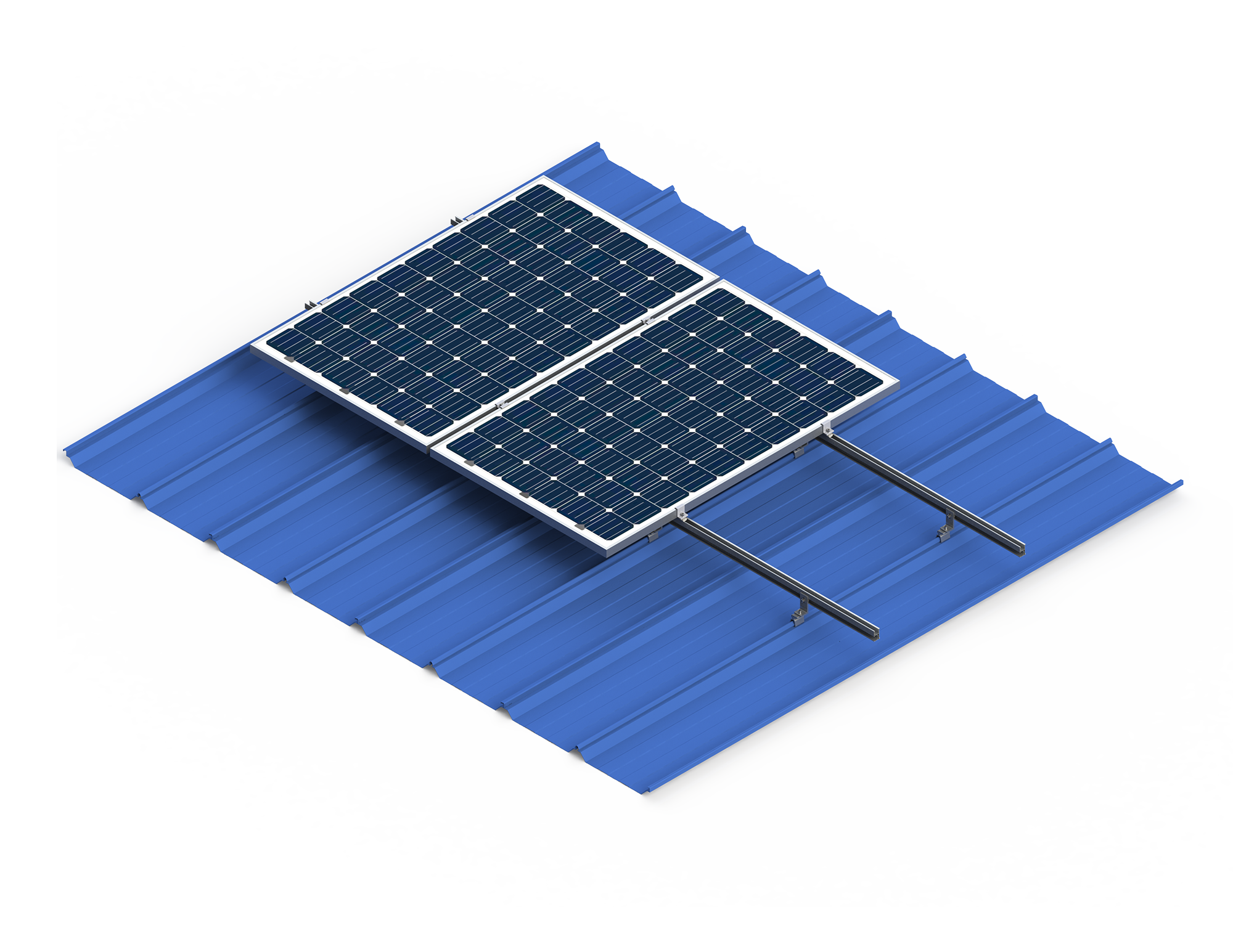
Ground solar panel systems are an increasingly popular solution for harnessing solar energy, particularly for those looking to maximize efficiency and production capabilities. Unlike roof-mounted systems, ground solar panels are installed on the ground, making them versatile for different property types and sizes. Here, we will explore the key aspects of ground solar panel systems, highlighting their advantages and considerations for installation.
One of the primary benefits of ground solar panel systems is their ability to optimize solar exposure. Since they can be installed at an angle and orientation that maximizes sunlight capture, these systems often generate more electricity compared to their rooftop counterparts. This is especially beneficial for larger installations, where space is not a constraint. Additionally, ground-mounted systems can be equipped with tracking mechanisms that allow the panels to follow the sun's path throughout the day, further enhancing energy production.
Installation of ground solar panels requires careful planning and consideration of various factors. Site assessment is crucial to ensure optimal placement, taking into account factors such as shading from trees or buildings, soil conditions, and local regulations. It’s also important to consider the type of mounting system to be used, which can range from fixed mounts to adjustable or tracking systems. Proper installation not only improves energy efficiency but also extends the lifespan of the solar panels.
Maintenance of ground solar panel systems is generally straightforward. Regular inspections to check for debris, dirt buildup, or any signs of wear are essential for keeping the system functioning at peak efficiency. Unlike rooftop systems, ground-mounted panels are easier to access for cleaning and repairs. Ensuring that the surrounding area is clear from vegetation can also help prevent shading and maintain optimal energy production.
Furthermore, ground solar panel systems can be integrated with battery storage solutions, allowing for energy use during non-sunny periods. This integration can significantly enhance energy independence and reliability, especially in regions with fluctuating energy demands.
In conclusion, ground solar panel systems represent a flexible and efficient approach to solar energy generation. Their ability to maximize sunlight exposure, combined with easier maintenance and accessibility, makes them an attractive option for both residential and commercial applications. By understanding the key elements involved in their installation and upkeep, professionals in the electrical and solar industries can effectively leverage these systems to contribute to a more sustainable energy future.
One of the primary benefits of ground solar panel systems is their ability to optimize solar exposure. Since they can be installed at an angle and orientation that maximizes sunlight capture, these systems often generate more electricity compared to their rooftop counterparts. This is especially beneficial for larger installations, where space is not a constraint. Additionally, ground-mounted systems can be equipped with tracking mechanisms that allow the panels to follow the sun's path throughout the day, further enhancing energy production.
Installation of ground solar panels requires careful planning and consideration of various factors. Site assessment is crucial to ensure optimal placement, taking into account factors such as shading from trees or buildings, soil conditions, and local regulations. It’s also important to consider the type of mounting system to be used, which can range from fixed mounts to adjustable or tracking systems. Proper installation not only improves energy efficiency but also extends the lifespan of the solar panels.
Maintenance of ground solar panel systems is generally straightforward. Regular inspections to check for debris, dirt buildup, or any signs of wear are essential for keeping the system functioning at peak efficiency. Unlike rooftop systems, ground-mounted panels are easier to access for cleaning and repairs. Ensuring that the surrounding area is clear from vegetation can also help prevent shading and maintain optimal energy production.
Furthermore, ground solar panel systems can be integrated with battery storage solutions, allowing for energy use during non-sunny periods. This integration can significantly enhance energy independence and reliability, especially in regions with fluctuating energy demands.
In conclusion, ground solar panel systems represent a flexible and efficient approach to solar energy generation. Their ability to maximize sunlight exposure, combined with easier maintenance and accessibility, makes them an attractive option for both residential and commercial applications. By understanding the key elements involved in their installation and upkeep, professionals in the electrical and solar industries can effectively leverage these systems to contribute to a more sustainable energy future.
Related News


Social Media
Contact
Add:Room 906, No. 990 Anling Road, Huli District, Xiamen City, Fujian Province
Tel: +86-17359890759 / +86-18633699291
Email:egsolar@egsolarsystem.com
Copyright © 2024 Evergreen Solar New Energy Co., Ltd