

Understanding Ground Solar Panel Systems: Harnessing Solar Energy for Your Energy Needs
Release time:
Jan 28,2025
Ground solar panel systems, often referred to as ground-mounted solar systems, are an increasingly popular choice for harnessing solar energy. Unlike traditional rooftop solar installations, these systems are installed directly on the ground, making them particularly suitable for properties with ample land space and optimal sun exposure.
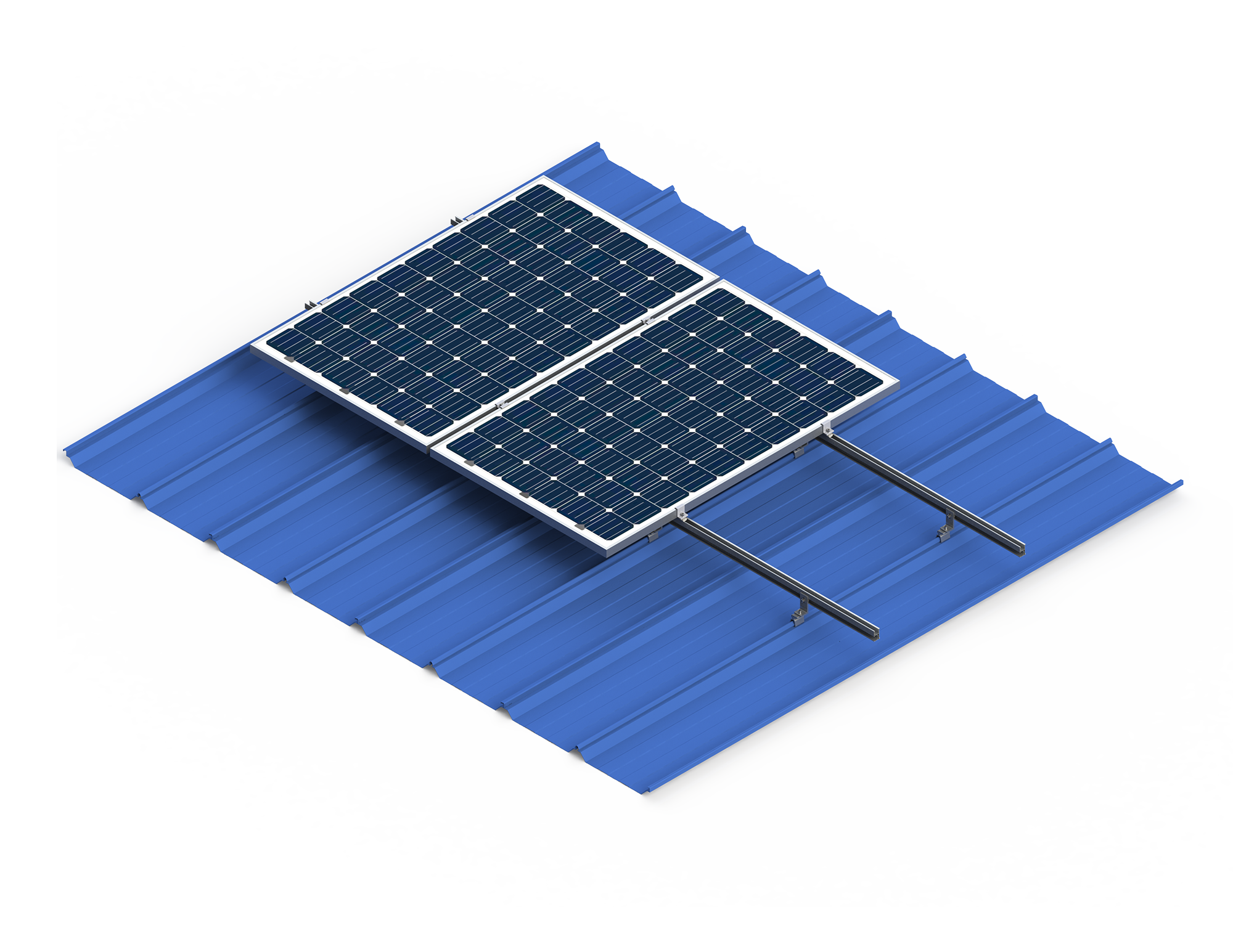
The primary components of a ground solar panel system include solar panels, a mounting structure, an inverter, and a connection to the grid or battery storage. Solar panels are the most recognizable part of the system; they convert sunlight into electricity through photovoltaic cells. The mounting structure ensures that the panels are positioned at the correct angle to maximize sunlight absorption. The inverter plays a crucial role in converting the direct current (DC) generated by the panels into alternating current (AC), which can be used to power home appliances or fed back into the electrical grid.
One of the key benefits of a ground solar panel system is its flexibility in installation. Unlike rooftop systems that may be limited by the size and orientation of the roof, ground systems can be installed in various configurations. This adaptability allows for larger installations that can produce more electricity, making them an excellent option for both residential and commercial properties. Additionally, ground-mounted systems can be adjusted in terms of tilt and orientation, optimizing their performance throughout the year as the sun's position changes.
Furthermore, ground solar panel systems can help minimize shading issues that often affect rooftop installations. Trees, buildings, and other obstructions can reduce the efficiency of solar panels, but ground systems can be placed in clear areas to capture maximum sunlight. This factor can lead to increased energy production and greater savings on electricity bills.
Installation considerations for ground solar panel systems include zoning regulations, land availability, and soil conditions. Before proceeding, it is essential to consult with local authorities to ensure compliance with any regulations or permits required for solar installations. Additionally, conducting a site assessment can help determine the best location and configuration for the system.
In summary, ground solar panel systems offer a versatile and efficient way to harness solar energy. With their adaptability to various landscapes and the potential for higher energy production, these systems are an excellent choice for homeowners and businesses looking to invest in renewable energy. By understanding the components, benefits, and installation considerations, individuals can make informed decisions that align with their energy goals while contributing to a sustainable future.
The primary components of a ground solar panel system include solar panels, a mounting structure, an inverter, and a connection to the grid or battery storage. Solar panels are the most recognizable part of the system; they convert sunlight into electricity through photovoltaic cells. The mounting structure ensures that the panels are positioned at the correct angle to maximize sunlight absorption. The inverter plays a crucial role in converting the direct current (DC) generated by the panels into alternating current (AC), which can be used to power home appliances or fed back into the electrical grid.
One of the key benefits of a ground solar panel system is its flexibility in installation. Unlike rooftop systems that may be limited by the size and orientation of the roof, ground systems can be installed in various configurations. This adaptability allows for larger installations that can produce more electricity, making them an excellent option for both residential and commercial properties. Additionally, ground-mounted systems can be adjusted in terms of tilt and orientation, optimizing their performance throughout the year as the sun's position changes.
Furthermore, ground solar panel systems can help minimize shading issues that often affect rooftop installations. Trees, buildings, and other obstructions can reduce the efficiency of solar panels, but ground systems can be placed in clear areas to capture maximum sunlight. This factor can lead to increased energy production and greater savings on electricity bills.
Installation considerations for ground solar panel systems include zoning regulations, land availability, and soil conditions. Before proceeding, it is essential to consult with local authorities to ensure compliance with any regulations or permits required for solar installations. Additionally, conducting a site assessment can help determine the best location and configuration for the system.
In summary, ground solar panel systems offer a versatile and efficient way to harness solar energy. With their adaptability to various landscapes and the potential for higher energy production, these systems are an excellent choice for homeowners and businesses looking to invest in renewable energy. By understanding the components, benefits, and installation considerations, individuals can make informed decisions that align with their energy goals while contributing to a sustainable future.
Related News


Social Media
Contact
Add:Room 906, No. 990 Anling Road, Huli District, Xiamen City, Fujian Province
Tel: +86-17359890759 / +86-18633699291
Email:egsolar@egsolarsystem.com
Copyright © 2024 Evergreen Solar New Energy Co., Ltd