
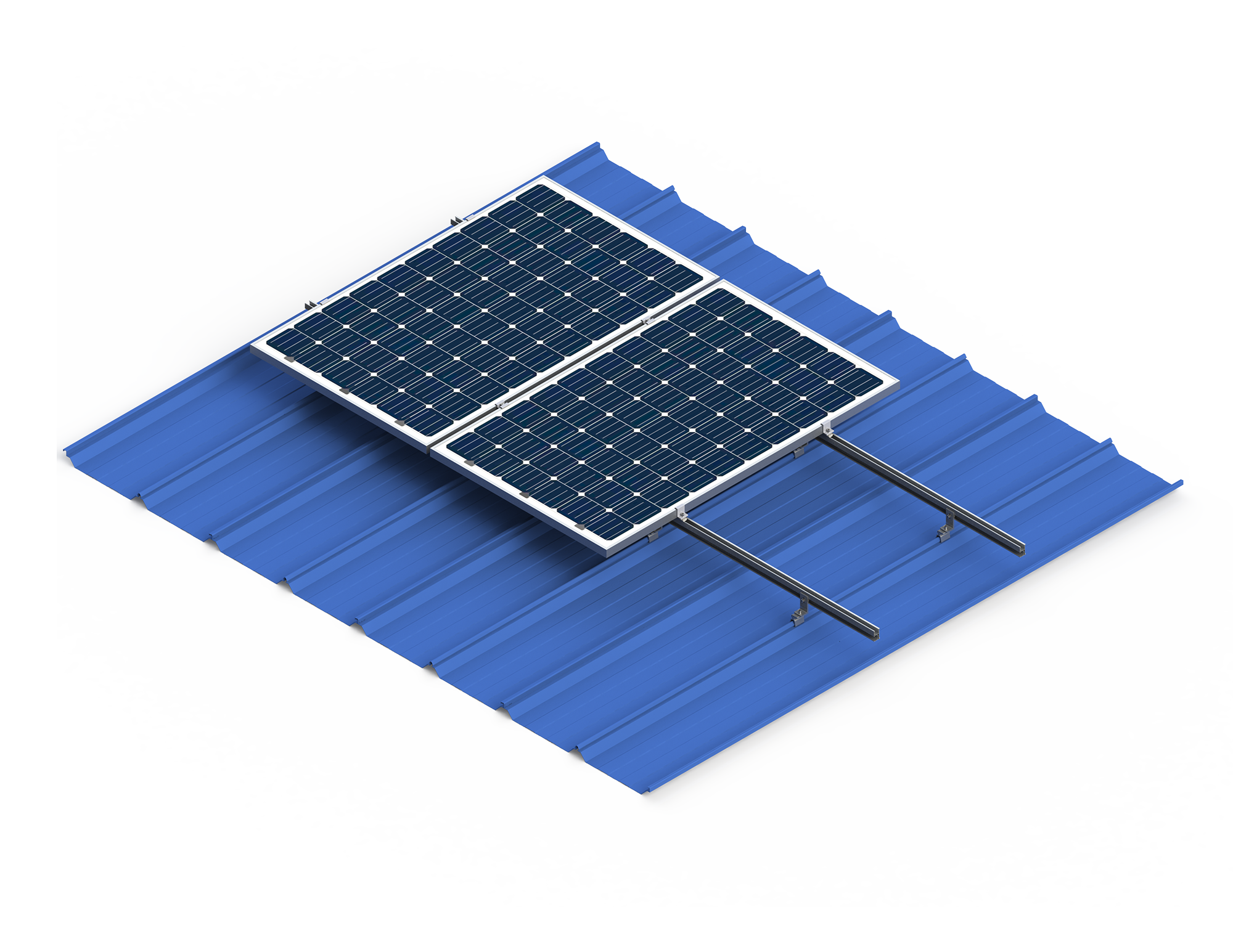

Emerging Trends in Ground Solar Panel System Technologies: Revolutionizing Renewable Energy
Release time:
Jan 23,2025
Emerging Trends in Ground Solar Panel System Technologies
Table of Contents
- 1. Introduction to Ground Solar Panel Systems
- 2. The Importance of Ground Solar Panel Technologies
- 3. Emerging Trends in Ground Solar Panel Technologies
- 3.1 Advanced Materials for Solar Panels
- 3.2 Solar Tracking Systems
- 3.3 Integrated Energy Storage Solutions
- 3.4 Smart Technology Integration
- 4. Benefits of Modern Ground Solar Panel Systems
- 5. Challenges Facing Ground Solar Technologies
- 6. The Future of Ground Solar Panel Systems
- 7. Frequently Asked Questions (FAQs)
- 8. Conclusion
1. Introduction to Ground Solar Panel Systems
Ground solar panel systems, commonly referred to as ground-mounted solar systems, represent a pivotal shift in how we harness solar energy. Unlike traditional rooftop installations, ground-mounted systems are set up on open land, making them adaptable for various applications, including residential, commercial, and utility-scale projects. Their ability to capture sunlight with a larger surface area often leads to higher efficiency and energy production.
As we delve into the emerging trends in these technologies, it is essential to understand the driving forces behind their adoption, including technological advancements, economic factors, and growing environmental awareness.
2. The Importance of Ground Solar Panel Technologies
The significance of ground solar panel systems extends far beyond mere energy production. They play a crucial role in addressing global energy needs while minimizing carbon footprints. With the escalating concerns surrounding climate change and energy security, the importance of adopting renewable solutions like ground solar systems has never been more apparent.
These systems are particularly advantageous for large-scale energy projects where extensive land areas can be utilized to generate substantial power. Furthermore, advancements in technology are making these systems more efficient, cost-effective, and accessible to a broader audience.
3. Emerging Trends in Ground Solar Panel Technologies
The field of ground solar panel systems is continually evolving, with several emerging trends that are influencing the industry.
3.1 Advanced Materials for Solar Panels
The development of advanced materials is one of the cornerstones of innovation in solar technology. Traditional silicon-based solar panels are giving way to new materials such as perovskite solar cells, which are not only more efficient but also less expensive to produce.
These materials promise higher energy conversion rates and can be manufactured using less energy compared to conventional options. Furthermore, flexible solar panels made from organic materials are emerging, providing versatility in installation and application, making them suitable for unique terrains and structures.
3.2 Solar Tracking Systems
Solar tracking systems have gained popularity for their ability to maximize energy capture by adjusting the orientation of solar panels throughout the day. Unlike static systems, tracking systems can increase energy production by up to 25% or more, depending on the geographical location and installation specifics.
These systems can be categorized into single-axis and dual-axis trackers, with dual-axis trackers offering the highest efficiency by adjusting both horizontally and vertically. This trend is particularly beneficial for large-scale ground installations where land use optimization is essential.
3.3 Integrated Energy Storage Solutions
With the rise of intermittent energy generation from renewable sources, integrating energy storage solutions into ground solar systems has become a game-changer. Battery technologies, such as lithium-ion and emerging solid-state batteries, allow for the storage of excess energy generated during peak sunlight hours for use during low production periods.
This integration not only enhances the reliability of solar energy systems but also supports grid stability, making solar energy a more viable option for continuous power supply.
3.4 Smart Technology Integration
The incorporation of smart technologies into ground solar panel systems is revolutionizing how we monitor and manage energy production. Smart inverters and monitoring systems provide real-time data on energy output, system performance, and maintenance needs.
These technologies enable predictive maintenance, allowing operators to address issues before they lead to significant downtimes. Moreover, the integration of IoT (Internet of Things) devices facilitates seamless communication between solar systems and the grid, optimizing energy distribution and consumption.
4. Benefits of Modern Ground Solar Panel Systems
The benefits of modern ground solar panel systems are multifaceted and far-reaching. Here are some of the most compelling advantages:
4.1 Increased Efficiency and Output
With advancements in materials and technology, modern ground solar systems can achieve higher efficiency rates compared to older models. This translates into increased energy output, making them a more attractive option for both residential and commercial users.
4.2 Cost-Effectiveness
The decline in solar technology costs, coupled with government incentives and rebates, has made ground solar panel systems more accessible than ever. Long-term savings on energy bills can significantly outweigh the initial investment costs.
4.3 Environmental Benefits
Utilizing renewable energy sources like solar power contributes to reduced greenhouse gas emissions and mitigates the impacts of climate change. Ground solar systems maximize land use without further depleting natural resources, making them a sustainable energy solution.
4.4 Versatility of Applications
Ground-mounted solar systems can be deployed in various settings, from farms and deserts to urban areas. Their versatility allows for tailored solutions that can adapt to different land types and energy needs.
5. Challenges Facing Ground Solar Technologies
Despite the numerous benefits, ground solar technologies also face several challenges that must be addressed for broader adoption:
5.1 Land Use and Environmental Impact
The installation of ground solar systems requires significant land area, which can lead to concerns about land use and impacts on local ecosystems. Proper site assessments and environmental considerations are essential to minimize adverse effects.
5.2 Initial Installation Costs
While the long-term savings can be substantial, the upfront costs of purchasing and installing ground solar systems can be a barrier for some individuals and organizations. Exploring financing options and government incentives can help offset these costs.
5.3 Technological Reliability
As with any technology, there are risks associated with solar energy systems, including hardware failures and inefficiencies. Regular maintenance and the use of advanced monitoring systems can mitigate these risks.
6. The Future of Ground Solar Panel Systems
The future of ground solar panel systems looks promising, driven by continuous innovation and a global shift towards renewable energy.
Innovations in technology, such as bifacial solar panels that capture sunlight from both sides or the development of solar farms with integrated agriculture (agrophotovoltaics), highlight the potential for maximizing land use efficiency.
As governments worldwide prioritize sustainable energy policies, investments in research and development will likely accelerate the adoption of more sophisticated ground solar technologies.
7. Frequently Asked Questions (FAQs)
Q1: What are ground-mounted solar panel systems?
A1: Ground-mounted solar panel systems are installations where solar panels are set up on the ground, rather than on rooftops. They are often used in large-scale solar farms and can be adjusted to optimize sunlight capture.
Q2: How do solar tracking systems work?
A2: Solar tracking systems adjust the orientation of solar panels to follow the sun's path throughout the day, maximizing energy production compared to static systems.
Q3: What are the environmental benefits of ground solar systems?
A3: Ground solar systems contribute to reduced greenhouse gas emissions, conserve natural resources, and support sustainable land use.
Q4: Are there any financing options available for ground solar installations?
A4: Yes, various financing options, including government incentives, rebates, and solar loans, are available to help offset the initial installation costs of ground solar systems.
Q5: What is the lifespan of a solar panel system?
A5: Most solar panel systems have a lifespan of 25 to 30 years, with many manufacturers offering warranties for their products during this period.
8. Conclusion
As we navigate through the complexities of energy production and environmental sustainability, **ground solar panel systems** emerge as a beacon of hope in the renewable energy sector. The **emerging trends** highlighted in this article demonstrate a commitment to innovation and efficiency that is reshaping how we conceive solar energy.
By embracing advanced materials, tracking technologies, integrated energy solutions, and smart technology, we can optimize energy production while minimizing environmental impacts. As we look towards a future driven by clean and sustainable energy, investing in ground solar technologies is not merely a choice but a necessity for a more resilient planet. The time to act is now, and the opportunities are boundless.
Related News


Social Media
Contact
Add:Room 906, No. 990 Anling Road, Huli District, Xiamen City, Fujian Province
Tel: +86-17359890759 / +86-18633699291
Email:egsolar@egsolarsystem.com
Copyright © 2024 Evergreen Solar New Energy Co., Ltd