
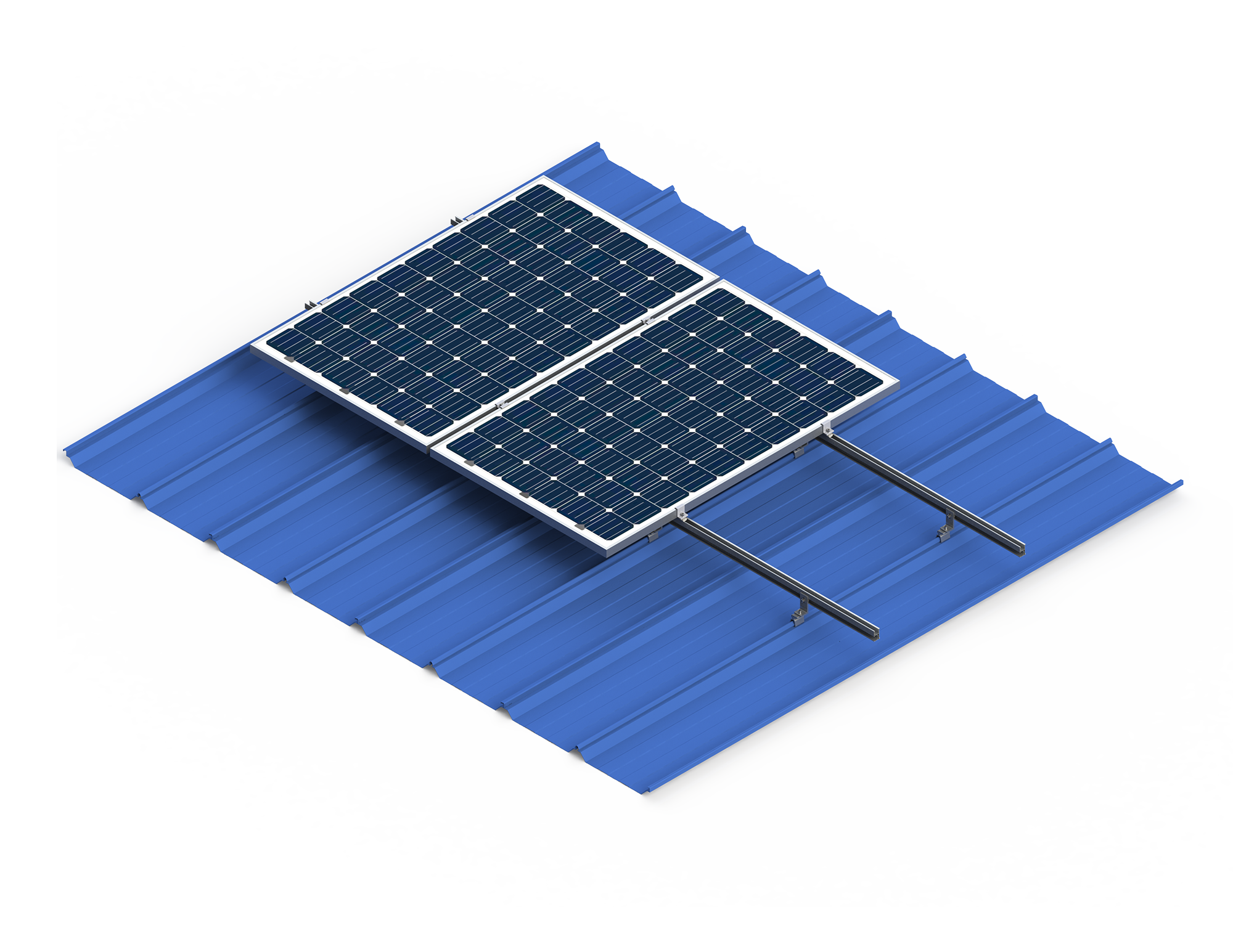

Ground-Mounted Solar Panel Installation: A Comprehensive Guide
Release time:
Jan 18,2025
Installing solar panels on the ground is an increasingly popular option for those looking to harness solar energy efficiently. Unlike rooftop installations, ground-mounted systems offer flexibility in terms of orientation, tilt, and size, making them a viable choice for various landscapes and property sizes.
One of the primary advantages of ground-mounted solar systems is their ability to be positioned for optimal sunlight exposure. By allowing for adjustable angles, these systems can capture more sunlight throughout the day, which can lead to increased energy production. This is particularly beneficial in regions where tall trees or buildings may obstruct sunlight from hitting rooftop panels.
When considering installing solar panels on the ground, several factors must be taken into account. First, site selection is crucial. The area chosen for installation should be free of obstructions, such as trees or buildings, that could cast shadows on the panels. Additionally, the land should have a stable subsurface and good drainage to support the mounting structures. It’s also important to consider the orientation of the panels; ideally, they should face south in the Northern Hemisphere for maximum sunlight exposure.
Once the site is selected, the next step involves obtaining necessary permits and ensuring compliance with local regulations. Many regions have specific guidelines for solar panel installations, which may include setbacks from property lines and structural requirements. Consulting with local authorities or hiring a professional installer can streamline this process and ensure adherence to all regulations.
The installation process itself typically involves constructing a mounting system that can support the solar panels. This may include concrete footings or driven piles to secure the structure, especially in areas prone to high winds. Ground-mounted systems can be either fixed-tilt or adjustable, depending on the desired functionality and climate conditions.
Maintenance is another key consideration when installing solar panels on the ground. While solar panels generally require minimal maintenance, ground-mounted systems may accumulate dirt, debris, and even snow, depending on the location. Regular cleaning and inspections will help maintain optimal performance and extend the lifespan of the system.
In summary, installing solar panels on the ground can be a highly effective way to maximize solar energy capture while maintaining flexibility in design and placement. By carefully considering site selection, regulatory requirements, and maintenance practices, users can benefit from a reliable and efficient solar power solution tailored to their specific needs. Whether for residential, commercial, or agricultural applications, ground-mounted solar systems represent a versatile approach to sustainable energy.
One of the primary advantages of ground-mounted solar systems is their ability to be positioned for optimal sunlight exposure. By allowing for adjustable angles, these systems can capture more sunlight throughout the day, which can lead to increased energy production. This is particularly beneficial in regions where tall trees or buildings may obstruct sunlight from hitting rooftop panels.
When considering installing solar panels on the ground, several factors must be taken into account. First, site selection is crucial. The area chosen for installation should be free of obstructions, such as trees or buildings, that could cast shadows on the panels. Additionally, the land should have a stable subsurface and good drainage to support the mounting structures. It’s also important to consider the orientation of the panels; ideally, they should face south in the Northern Hemisphere for maximum sunlight exposure.
Once the site is selected, the next step involves obtaining necessary permits and ensuring compliance with local regulations. Many regions have specific guidelines for solar panel installations, which may include setbacks from property lines and structural requirements. Consulting with local authorities or hiring a professional installer can streamline this process and ensure adherence to all regulations.
The installation process itself typically involves constructing a mounting system that can support the solar panels. This may include concrete footings or driven piles to secure the structure, especially in areas prone to high winds. Ground-mounted systems can be either fixed-tilt or adjustable, depending on the desired functionality and climate conditions.
Maintenance is another key consideration when installing solar panels on the ground. While solar panels generally require minimal maintenance, ground-mounted systems may accumulate dirt, debris, and even snow, depending on the location. Regular cleaning and inspections will help maintain optimal performance and extend the lifespan of the system.
In summary, installing solar panels on the ground can be a highly effective way to maximize solar energy capture while maintaining flexibility in design and placement. By carefully considering site selection, regulatory requirements, and maintenance practices, users can benefit from a reliable and efficient solar power solution tailored to their specific needs. Whether for residential, commercial, or agricultural applications, ground-mounted solar systems represent a versatile approach to sustainable energy.
Related News


Social Media
Contact
Add:Room 906, No. 990 Anling Road, Huli District, Xiamen City, Fujian Province
Tel: +86-17359890759 / +86-18633699291
Email:egsolar@egsolarsystem.com
Copyright © 2024 Evergreen Solar New Energy Co., Ltd