
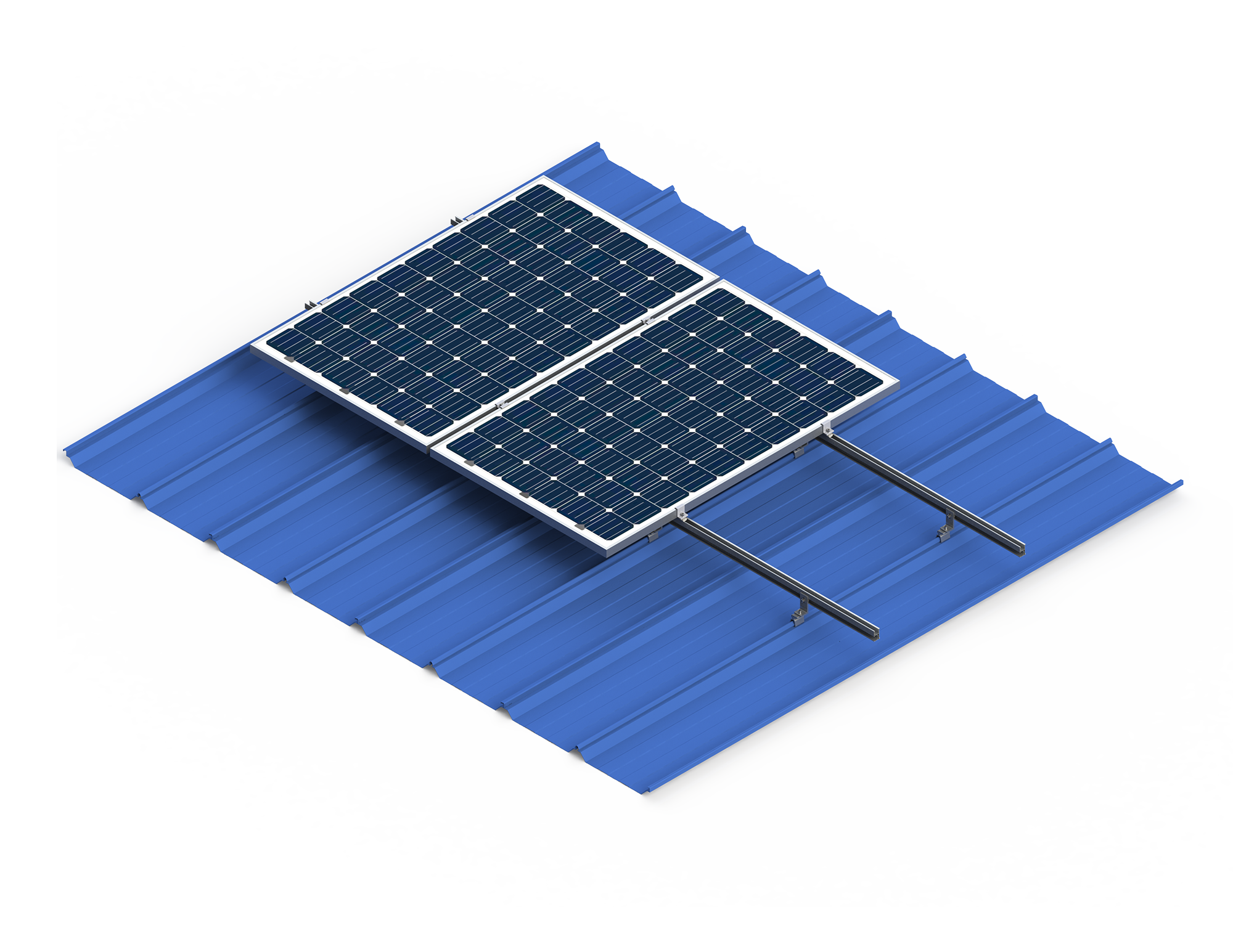

Maximizing Efficiency: Best Practices for Installing Solar Panels on the Ground
Release time:
Jan 13,2025
Maximizing Efficiency: Best Practices for Installing Solar Panels on the Ground
Table of Contents
- 1. Introduction to Ground-Mounted Solar Panels
- 2. Benefits of Ground-Mounted Solar Panel Installations
- 3. Planning Your Ground-Mounted Solar Panel System
- 4. Designing an Efficient Solar Panel Layout
- 5. Best Practices for Installing Solar Panels
- 6. Maintenance Tips for Ground-Mounted Solar Panels
- 7. Frequently Asked Questions
- 8. Conclusion
1. Introduction to Ground-Mounted Solar Panels
Ground-mounted solar panels have gained popularity as a viable alternative to rooftop installations, particularly in areas where space is abundant and sunlight exposure is optimal. This guide aims to explore best practices for installing ground-mounted solar panels, focusing on maximizing efficiency to ensure long-term energy generation. Understanding the intricacies of installation will help homeowners and businesses harness the full potential of solar technology.
2. Benefits of Ground-Mounted Solar Panel Installations
Ground-mounted solar panels offer several advantages over traditional rooftop systems. **Flexibility in installation locations** allows for optimal sun exposure, promoting higher energy output. Furthermore, ground systems are generally easier to maintain and can be designed to accommodate larger arrays, making them an efficient choice for larger energy needs.
In addition to these practical benefits, ground-mounted systems also provide the opportunity for **future system expansions** without the structural constraints often found in rooftop installations. This adaptability positions ground-mounted solar panels as an attractive solution for both residential and commercial applications.
3. Planning Your Ground-Mounted Solar Panel System
The success of any solar panel installation begins with thorough planning. This section outlines essential steps to take before setting up a ground-mounted solar system.
3.1 Conducting a Site Assessment
Before installation, conducting a **comprehensive site assessment** is critical. Key factors to evaluate include:
- **Sunlight Exposure**: Identify areas of your property that receive maximum sunlight throughout the day. Avoid shaded locations caused by trees, buildings, or other structures.
- **Soil Quality**: Assess the soil's stability and type. Certain soil conditions may necessitate additional support structures or adjustments in mounting techniques.
- **Topography**: Evaluate the land's slope and elevation. A level surface can significantly simplify the installation process and optimize panel performance.
3.2 Understanding Local Regulations and Permits
It is crucial to understand the **local regulations** surrounding solar installations. Research zoning laws, building codes, and permit requirements specific to your area. Additionally, consulting with local authorities can provide insights into any incentives or rebates available for solar installations.
4. Designing an Efficient Solar Panel Layout
A well-thought-out design is essential for maximizing solar panel efficiency. This section discusses various design considerations.
4.1 Optimal Orientation and Tilt Angles
The **orientation of solar panels** dramatically impacts their efficiency. In general, solar panels should face true south in the northern hemisphere and true north in the southern hemisphere. The tilt angle also plays a vital role; a steeper angle can enhance performance during winter months, while a flatter angle may be more effective in summer.
To determine the best tilt angle, consider factors such as location, seasonal weather patterns, and specific energy needs.
4.2 Proper Spacing and Arrangement
Proper **spacing between solar panels** is critical to avoid shading and maximize sunlight exposure. Panels should be arranged to minimize overlap and ensure that each unit can receive direct sunlight. Additionally, spacing should allow for maintenance access and minimize the risk of overheating.
5. Best Practices for Installing Solar Panels
Once planning and design are complete, attention turns to the installation process. Following best practices ensures a successful setup and optimal performance.
5.1 Choosing the Right Mounting System
Selecting an appropriate **mounting system** is crucial for stability and longevity. Ground-mounted solar panels can utilize various mounting styles, such as:
- **Fixed Rack Systems**: Provide a stable structure for panels at a fixed angle.
- **Pole Mounts**: Allow for adjustable tilt, which can optimize energy production.
- **Tracking Systems**: Automatically adjust the angle and orientation of panels throughout the day to maximize sun exposure.
Evaluate the advantages and disadvantages of each option based on your specific site conditions and energy goals.
5.2 Ensuring Secure Electrical Connections
Secure and reliable **electrical connections** are paramount for safety and efficiency. Utilize high-quality connectors and wiring, and ensure that all connections are weatherproof and resistant to corrosion. Consider hiring a licensed electrician for complex electrical work to ensure compliance with safety standards.
6. Maintenance Tips for Ground-Mounted Solar Panels
To maintain efficiency, routine maintenance of ground-mounted solar panels is essential. Here are some key maintenance tips:
- **Regular Cleaning**: Dust, debris, and leaves can accumulate on panels, reducing their efficiency. Schedule regular cleanings, particularly after storms or high winds.
- **Inspecting Components**: Periodically check mounting systems, electrical connections, and panels for signs of wear or damage. Address any issues promptly to avoid long-term damage.
- **Monitoring Performance**: Implement monitoring systems to track energy production and identify any dips in efficiency that may indicate underlying issues.
7. Frequently Asked Questions
1. How much space do I need for ground-mounted solar panels?
The space required for ground-mounted solar panels depends on the number of panels you plan to install and their size. Typically, a small system may require around 200 to 300 square feet.
2. Can ground-mounted solar panels be installed on any type of soil?
While many types of soil are suitable for solar panel installations, rocky, sandy, or unstable soil may require additional support or engineering solutions.
3. Do I need a permit to install ground-mounted solar panels?
Yes, most locations require permits for solar installations. Check with your local authorities to ensure compliance with regulations.
4. What is the lifespan of ground-mounted solar panels?
Most solar panels have a lifespan of 25 to 30 years, with warranties typically covering 20 to 25 years.
5. How often should I clean my solar panels?
It is recommended to clean solar panels at least twice a year or more frequently if you live in a dusty area or an area with heavy rainfall.
8. Conclusion
Installing ground-mounted solar panels can significantly enhance energy efficiency and provide a sustainable energy source for homes and businesses. By following the best practices outlined in this guide—ranging from careful planning and designing to proper installation and maintenance—you can maximize the performance of your solar energy system. Embracing these practices not only ensures optimal energy generation but also contributes to a greener planet, providing long-term benefits for generations to come.
Related News


Social Media
Contact
Add:Room 906, No. 990 Anling Road, Huli District, Xiamen City, Fujian Province
Tel: +86-17359890759 / +86-18633699291
Email:egsolar@egsolarsystem.com
Copyright © 2024 Evergreen Solar New Energy Co., Ltd