

Ground-Mounted Solar Panels: A Comprehensive Guide to Installation
Release time:
Jan 08,2025
When considering solar energy, one of the primary decisions involves the installation method. Ground-mounted solar panels have become an increasingly popular choice for homeowners and businesses alike. Unlike rooftop installations, ground-mounted systems offer flexibility in terms of space and orientation, maximizing energy capture potential. Here’s what you need to know about installing solar panels on the ground.
**Understanding Ground-Mounted Solar Panels**
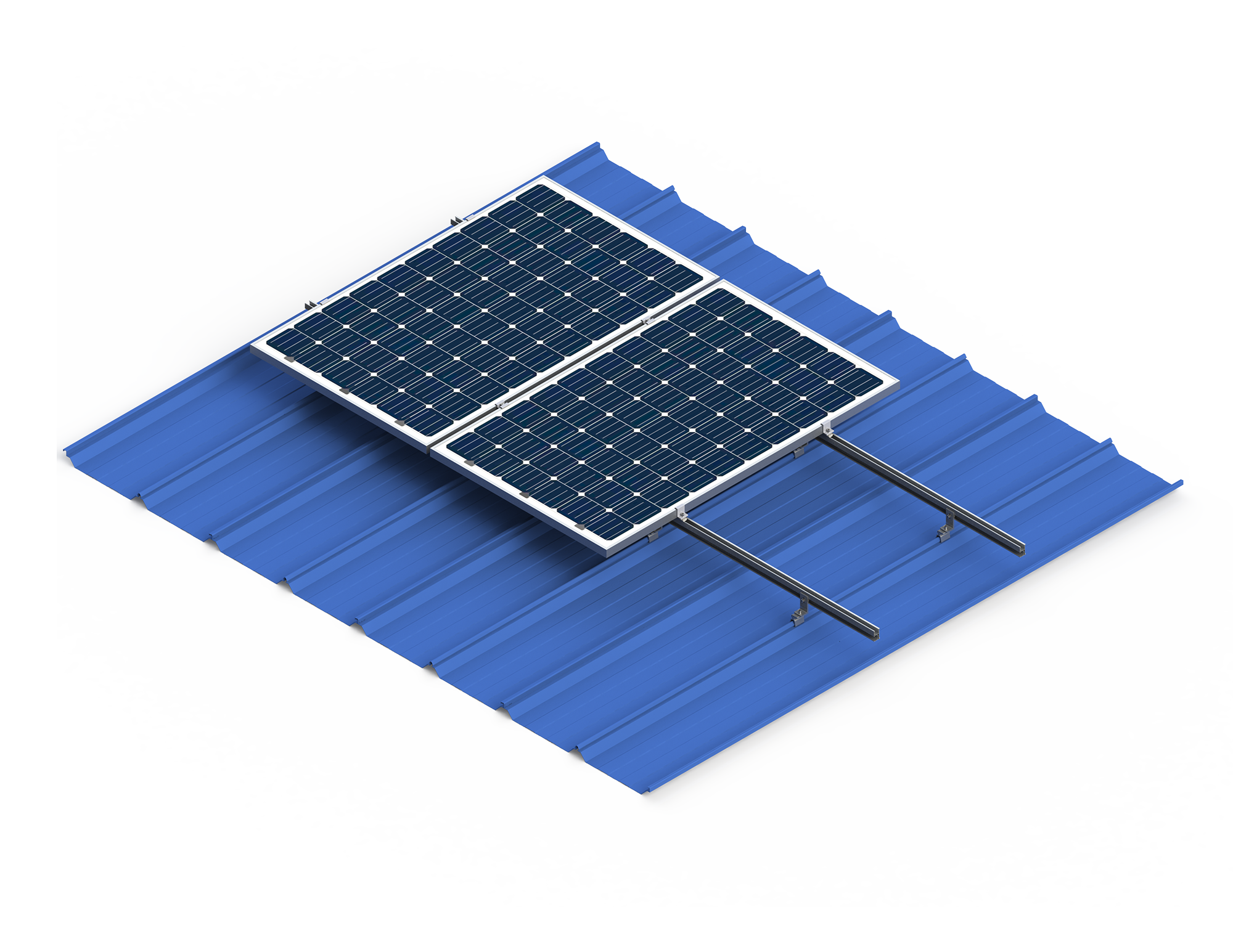
Ground-mounted solar panels are installed on a frame or rack system anchored to the ground, rather than on rooftops. This setup is ideal for properties with ample land, as it allows for greater customization in terms of panel arrangement and angle. By positioning the panels at an optimal tilt, you can effectively increase solar energy production.
**Advantages of Ground-Mounted Systems**
One of the key benefits of installing solar panels on the ground is the potential for better sun exposure. Unlike roofs, which may be obstructed by trees or other structures, ground installations can be placed in the most suitable location for sunlight. This can lead to improved efficiency and energy output.
Additionally, ground-mounted setups are often easier to access for maintenance and cleaning, which can enhance the longevity and performance of your solar panels. They can also be more easily expanded compared to rooftop systems, allowing you to add more panels as your energy needs grow.
**Factors to Consider Before Installation**
Before installing solar panels on the ground, there are several important factors to consider:
1. **Space and Orientation**: Ensure you have enough space to accommodate the number of panels you wish to install. The area should also receive direct sunlight for most of the day without significant shading.
2. **Soil Quality**: The type of soil can impact the installation process. Some soils may require additional support or different mounting techniques to ensure stability.
3. **Local Regulations**: Always check local building codes and regulations regarding ground-mounted solar systems. Some areas may have restrictions on the height and placement of solar panels.
4. **Cost and Investment**: While ground-mounted systems can offer higher energy production, they may also involve higher installation costs due to necessary site preparation and mounting structures.
**Installation Process**
The installation process begins with site assessment, followed by designing the layout of the solar array. Once the plans are in place, the next steps typically include preparing the site, installing the mounting structure, placing the solar panels, and connecting the system to your electrical setup. It’s recommended to hire experienced professionals for the installation to ensure everything is done correctly and safely.
In conclusion, installing solar panels on the ground can be a highly effective way to harness solar energy. By understanding the advantages, considerations, and installation process, you can make informed decisions that align with your energy goals and property specifics.
**Understanding Ground-Mounted Solar Panels**
Ground-mounted solar panels are installed on a frame or rack system anchored to the ground, rather than on rooftops. This setup is ideal for properties with ample land, as it allows for greater customization in terms of panel arrangement and angle. By positioning the panels at an optimal tilt, you can effectively increase solar energy production.
**Advantages of Ground-Mounted Systems**
One of the key benefits of installing solar panels on the ground is the potential for better sun exposure. Unlike roofs, which may be obstructed by trees or other structures, ground installations can be placed in the most suitable location for sunlight. This can lead to improved efficiency and energy output.
Additionally, ground-mounted setups are often easier to access for maintenance and cleaning, which can enhance the longevity and performance of your solar panels. They can also be more easily expanded compared to rooftop systems, allowing you to add more panels as your energy needs grow.
**Factors to Consider Before Installation**
Before installing solar panels on the ground, there are several important factors to consider:
1. **Space and Orientation**: Ensure you have enough space to accommodate the number of panels you wish to install. The area should also receive direct sunlight for most of the day without significant shading.
2. **Soil Quality**: The type of soil can impact the installation process. Some soils may require additional support or different mounting techniques to ensure stability.
3. **Local Regulations**: Always check local building codes and regulations regarding ground-mounted solar systems. Some areas may have restrictions on the height and placement of solar panels.
4. **Cost and Investment**: While ground-mounted systems can offer higher energy production, they may also involve higher installation costs due to necessary site preparation and mounting structures.
**Installation Process**
The installation process begins with site assessment, followed by designing the layout of the solar array. Once the plans are in place, the next steps typically include preparing the site, installing the mounting structure, placing the solar panels, and connecting the system to your electrical setup. It’s recommended to hire experienced professionals for the installation to ensure everything is done correctly and safely.
In conclusion, installing solar panels on the ground can be a highly effective way to harness solar energy. By understanding the advantages, considerations, and installation process, you can make informed decisions that align with your energy goals and property specifics.
Related News


Social Media
Contact
Add:Room 906, No. 990 Anling Road, Huli District, Xiamen City, Fujian Province
Tel: +86-17359890759 / +86-18633699291
Email:egsolar@egsolarsystem.com
Copyright © 2024 Evergreen Solar New Energy Co., Ltd