

How to Choose the Right Support Structure for Your Solar Panels: A Comprehensive Guide
Release time:
May 03,2025
How to Choose the Right Support Structure for Your Solar Panels
Table of Contents
- 1. Introduction to Solar Panel Support Structures
- 2. Importance of Choosing the Right Support Structure
- 3. Types of Solar Panel Support Structures
- 4. Materials Used in Solar Panel Support Structures
- 5. Site Analysis and Factors to Consider
- 6. Installation Best Practices
- 7. Maintenance Tips for Solar Panel Support Structures
- 8. Cost Considerations for Support Structures
- 9. Conclusion
- 10. Frequently Asked Questions
1. Introduction to Solar Panel Support Structures
Selecting the right support structure for your solar panels is crucial to ensuring their efficiency and durability. The support structure plays a significant role in determining how well your solar energy system performs, as it influences the angle of sunlight exposure, stability, and overall longevity of the panels. In this article, we will delve into the various types of support structures, materials used, site analysis considerations, installation best practices, and maintenance tips to help you make an informed decision.
2. Importance of Choosing the Right Support Structure
The support structure acts as the backbone of your solar panel system. A well-chosen support structure can enhance energy capture, improve structural integrity, and extend the lifespan of the panels. Conversely, a poorly selected support structure can lead to issues such as:
- **Reduced Energy Efficiency**: Incorrect angles or orientations can lead to lower energy output.
- **Increased Wear and Tear**: Subpar materials may corrode or degrade faster, leading to costly repairs.
- **Safety Hazards**: Inadequately secured panels can pose risks during high winds or storms.
By understanding the importance of the right support structure, you can make a choice that maximizes your investment in solar energy.
3. Types of Solar Panel Support Structures
When it comes to solar panel support structures, there are three primary types to consider: fixed mounts, adjustable mounts, and tracking systems. Each type has its unique advantages and applications.
3.1 Fixed Mounts
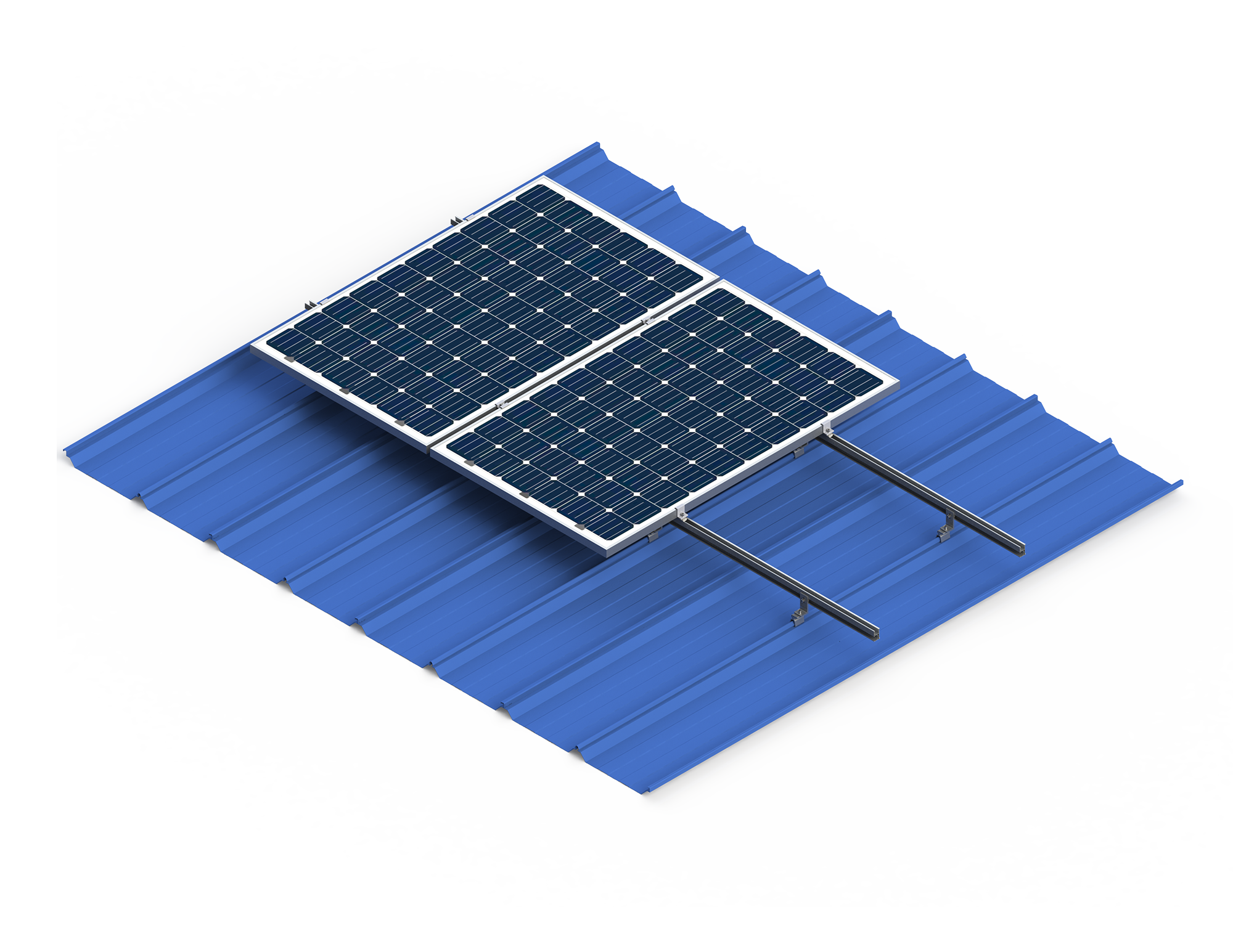
Fixed mounts are the most common type of support structure. They hold solar panels at a predetermined angle and direction, providing a stable and secure base. These mounts are ideal for:
- **Rooftop Installations**: They can easily be integrated into residential and commercial roofs.
- **Ground Installations**: Fixed mounts can be installed directly into the ground, providing flexibility in placement.
While fixed mounts are cost-effective, they may not offer the best energy capture throughout the day, as the angle remains constant.
3.2 Adjustable Mounts
Adjustable mounts allow for changes in the angle of the panels throughout the year. This flexibility ensures that the solar panels maintain optimal sun exposure as the sun’s position changes. Key benefits include:
- **Increased Energy Output**: By adjusting the angle, you can capture more sunlight.
- **Seasonal Optimization**: You can change the angle based on seasonal variations for improved efficiency.
While adjustable mounts can be more expensive than fixed mounts, the potential energy savings can justify the investment.
3.3 Tracking Systems
Tracking systems are the most sophisticated support structures, capable of moving the solar panels to follow the sun’s path across the sky. These systems can be either single-axis or dual-axis, with dual-axis systems offering the highest efficiency. Benefits include:
- **Maximum Energy Capture**: By continuously adjusting, tracking systems can significantly increase energy output.
- **Long-Term Savings**: The higher initial investment can lead to greater savings on energy bills over time.
However, tracking systems require more maintenance and are typically more expensive than fixed or adjustable mounts.
4. Materials Used in Solar Panel Support Structures
The materials used for solar panel support structures directly impact durability, longevity, and overall performance. Common materials include:
- **Aluminum**: Lightweight, resistant to corrosion, and strong, aluminum is a popular choice for both fixed and adjustable mounts.
- **Steel**: Known for its strength, steel is often used for larger installations. However, it may require protective coatings to prevent rust.
- **Concrete**: Used for foundations and securing mounts, concrete provides stability but requires careful handling during installation.
Selecting the right material depends on factors such as local weather conditions, installation type, and budget considerations.
5. Site Analysis and Factors to Consider
Before choosing a support structure, conducting a site analysis is crucial. This process involves evaluating various factors that can affect solar panel performance:
- **Sunlight Exposure**: Assess the amount of direct sunlight your location receives throughout the year. Avoid shaded areas to maximize efficiency.
- **Wind Loads**: Determine the potential wind loads in your area, as this will influence the type of support structure needed for stability.
- **Soil Conditions**: Analyze the soil type and composition, as this will affect the installation method. For instance, sandy soils may require different mounting solutions compared to clay-heavy soils.
By understanding these factors, you can choose a support structure that is best suited to your specific site conditions.
6. Installation Best Practices
Proper installation is paramount to the success of your solar panel support structure. Here are some best practices to follow:
- **Follow Manufacturer Guidelines**: Always adhere to the manufacturer’s recommendations for installation to ensure warranty validity.
- **Use Quality Fasteners**: Invest in high-quality, corrosion-resistant fasteners to secure the support structure effectively.
- **Ensure Proper Alignment**: Accurate alignment is vital for optimizing energy capture, so take the time to double-check angles and orientations.
Consulting with a professional installer can also help ensure that the installation is done correctly and safely.
7. Maintenance Tips for Solar Panel Support Structures
Regular maintenance is essential for the longevity of your solar panel support structure. Here are some key maintenance tips:
- **Inspect for Wear and Tear**: Regularly check for any signs of rust, corrosion, or damage to the support structure. Address issues promptly to prevent larger problems.
- **Clean the Panels and Structure**: Dust, debris, and bird droppings can accumulate on solar panels, affecting performance. Clean them periodically to maintain efficiency.
- **Monitor Performance**: Keep track of energy output to spot any dips that may indicate issues with the support structure.
By maintaining your solar panel support system, you can ensure long-term reliability and performance.
8. Cost Considerations for Support Structures
The cost of a solar panel support structure can vary widely based on the type, materials, and installation complexity. Here are some factors to consider when budgeting:
- **Type of Structure**: Fixed mounts are generally less expensive than adjustable or tracking systems.
- **Material Costs**: Aluminum tends to be more cost-effective than steel, but your location’s climate may dictate the best choice.
- **Installation Fees**: Professional installation can add significant costs, but it may be worth the investment for ensuring proper setup.
By weighing these factors, you can create a budget that aligns with your solar energy goals.
9. Conclusion
Choosing the right support structure for your solar panels is a multifaceted decision that impacts the efficiency, safety, and longevity of your solar energy system. By understanding the types of support structures, materials, site conditions, installation best practices, and maintenance requirements, you can make an informed choice that maximizes your investment. Proper planning and execution will not only enhance the performance of your solar panels but also contribute to a more sustainable future.
10. Frequently Asked Questions
1. What is the best type of support structure for residential solar panels?
The best type of support structure for residential solar panels often depends on your specific location and energy needs. Fixed mounts are commonly used for their simplicity and cost-effectiveness, while adjustable mounts can provide improved efficiency.
2. How does the angle of the support structure affect solar panel performance?
The angle of the support structure significantly impacts solar energy capture. Properly angled panels can capture more sunlight, leading to increased energy output.
3. Are tracking systems worth the investment?
While tracking systems require a higher initial investment, they can provide greater energy efficiency and long-term savings, making them worthwhile for many users.
4. How often should I perform maintenance on my solar panel support structure?
It’s advisable to inspect your solar panel support structure at least once a year and perform cleaning and maintenance as needed to ensure optimal performance.
5. Can I install a solar panel support structure myself?
While DIY installation is possible, hiring a professional installer is recommended to ensure proper setup and compliance with local regulations and safety standards.
Related News


Social Media
Contact
Add:Room 906, No. 990 Anling Road, Huli District, Xiamen City, Fujian Province
Tel: +86-17359890759 / +86-18633699291
Email:egsolar@egsolarsystem.com
Copyright © 2024 Evergreen Solar New Energy Co., Ltd