

Understanding Solar Panel Support Structures: A Key to Efficient Solar Energy Installation
Release time:
Apr 28,2025
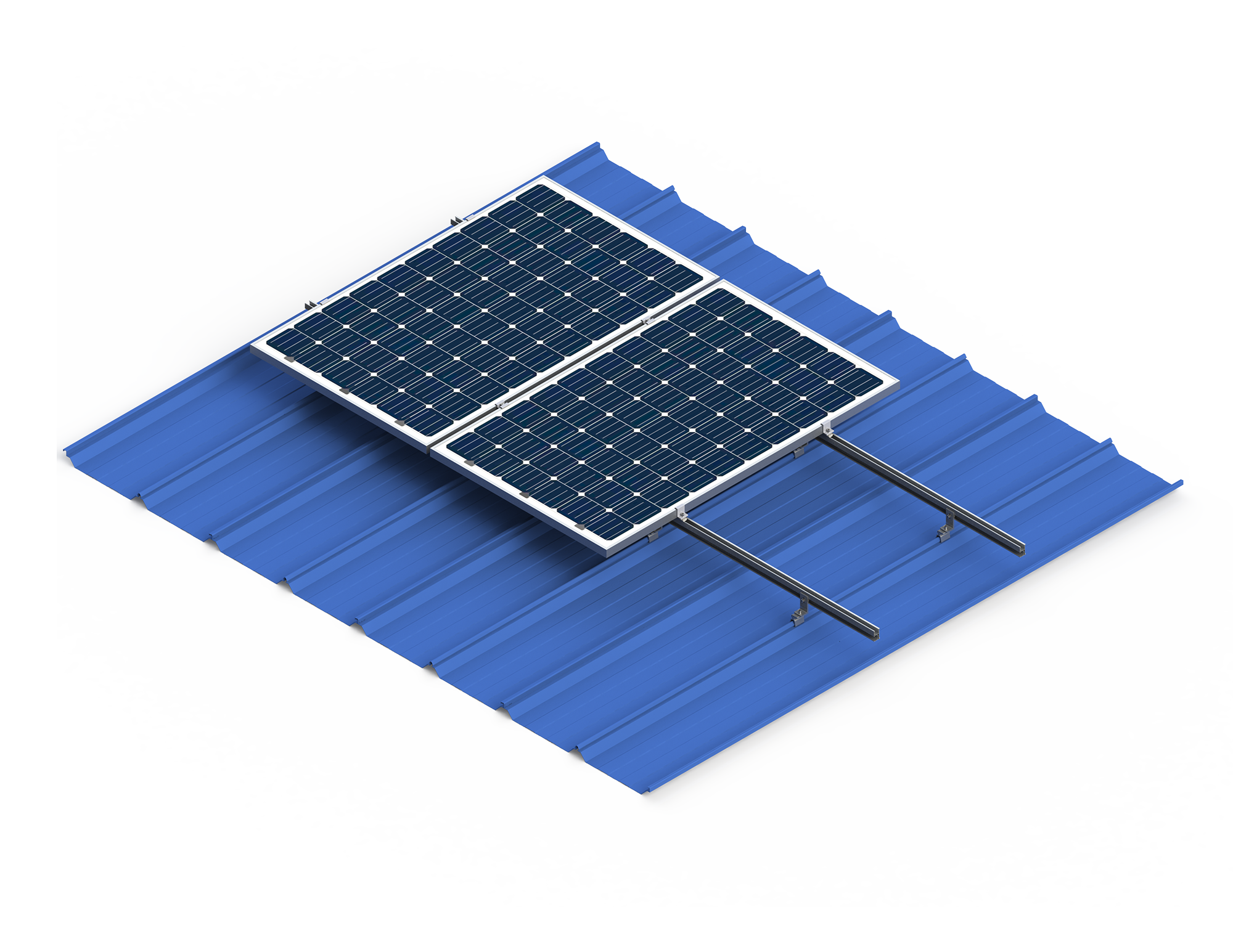
The solar panel support structure is a critical component of solar energy systems, playing a vital role in ensuring the longevity and efficiency of solar panels. These structures are designed to hold solar panels in place while optimizing their exposure to sunlight. Understanding solar panel support structures is essential for anyone looking to invest in or install solar energy systems.
Typically, solar panel support structures can be categorized into two main types: fixed and tracking systems. Fixed systems are stationary and are designed to hold solar panels at a specific angle, which maximizes sunlight absorption throughout the day. They are commonly used in residential installations due to their simplicity and low maintenance requirements. On the other hand, tracking systems are more complex and allow solar panels to move and adjust their orientation as the sun moves across the sky. This dynamic positioning can significantly increase energy output, making tracking systems a popular choice for large-scale solar farms.
When considering solar panel support structures, several factors must be taken into account. First and foremost, the geographical location plays a crucial role in determining the appropriate design and installation. Areas with high winds or severe weather conditions may require more robust support structures to withstand the elements. Additionally, local building codes and regulations must be adhered to, ensuring that the installation complies with safety and structural standards.
Another consideration is the material used for the support structure. Common materials include aluminum, steel, and sometimes even wood. Each material has its advantages and disadvantages in terms of weight, durability, and cost. Aluminum, for example, is lightweight and resistant to corrosion, making it an ideal choice for many solar installations. Steel, while heavier, offers strength and durability, which may be necessary in certain environments.
Installation of solar panel support structures typically requires careful planning and execution. Proper alignment and angling of the panels are crucial for maximizing solar energy capture. Additionally, the stability of the support structure is vital to prevent damage to the panels over time. It is often recommended to engage professionals who specialize in solar installations to ensure that the support structures are effectively designed and installed.
In conclusion, solar panel support structures are foundational to the successful implementation of solar energy systems. By understanding their types, materials, and installation considerations, individuals can make informed decisions that enhance the performance and longevity of their solar panel systems. Investing in the right support structure not only increases energy efficiency but also contributes to a more sustainable future.
Typically, solar panel support structures can be categorized into two main types: fixed and tracking systems. Fixed systems are stationary and are designed to hold solar panels at a specific angle, which maximizes sunlight absorption throughout the day. They are commonly used in residential installations due to their simplicity and low maintenance requirements. On the other hand, tracking systems are more complex and allow solar panels to move and adjust their orientation as the sun moves across the sky. This dynamic positioning can significantly increase energy output, making tracking systems a popular choice for large-scale solar farms.
When considering solar panel support structures, several factors must be taken into account. First and foremost, the geographical location plays a crucial role in determining the appropriate design and installation. Areas with high winds or severe weather conditions may require more robust support structures to withstand the elements. Additionally, local building codes and regulations must be adhered to, ensuring that the installation complies with safety and structural standards.
Another consideration is the material used for the support structure. Common materials include aluminum, steel, and sometimes even wood. Each material has its advantages and disadvantages in terms of weight, durability, and cost. Aluminum, for example, is lightweight and resistant to corrosion, making it an ideal choice for many solar installations. Steel, while heavier, offers strength and durability, which may be necessary in certain environments.
Installation of solar panel support structures typically requires careful planning and execution. Proper alignment and angling of the panels are crucial for maximizing solar energy capture. Additionally, the stability of the support structure is vital to prevent damage to the panels over time. It is often recommended to engage professionals who specialize in solar installations to ensure that the support structures are effectively designed and installed.
In conclusion, solar panel support structures are foundational to the successful implementation of solar energy systems. By understanding their types, materials, and installation considerations, individuals can make informed decisions that enhance the performance and longevity of their solar panel systems. Investing in the right support structure not only increases energy efficiency but also contributes to a more sustainable future.
Related News


Social Media
Contact
Add:Room 906, No. 990 Anling Road, Huli District, Xiamen City, Fujian Province
Tel: +86-17359890759 / +86-18633699291
Email:egsolar@egsolarsystem.com
Copyright © 2024 Evergreen Solar New Energy Co., Ltd