
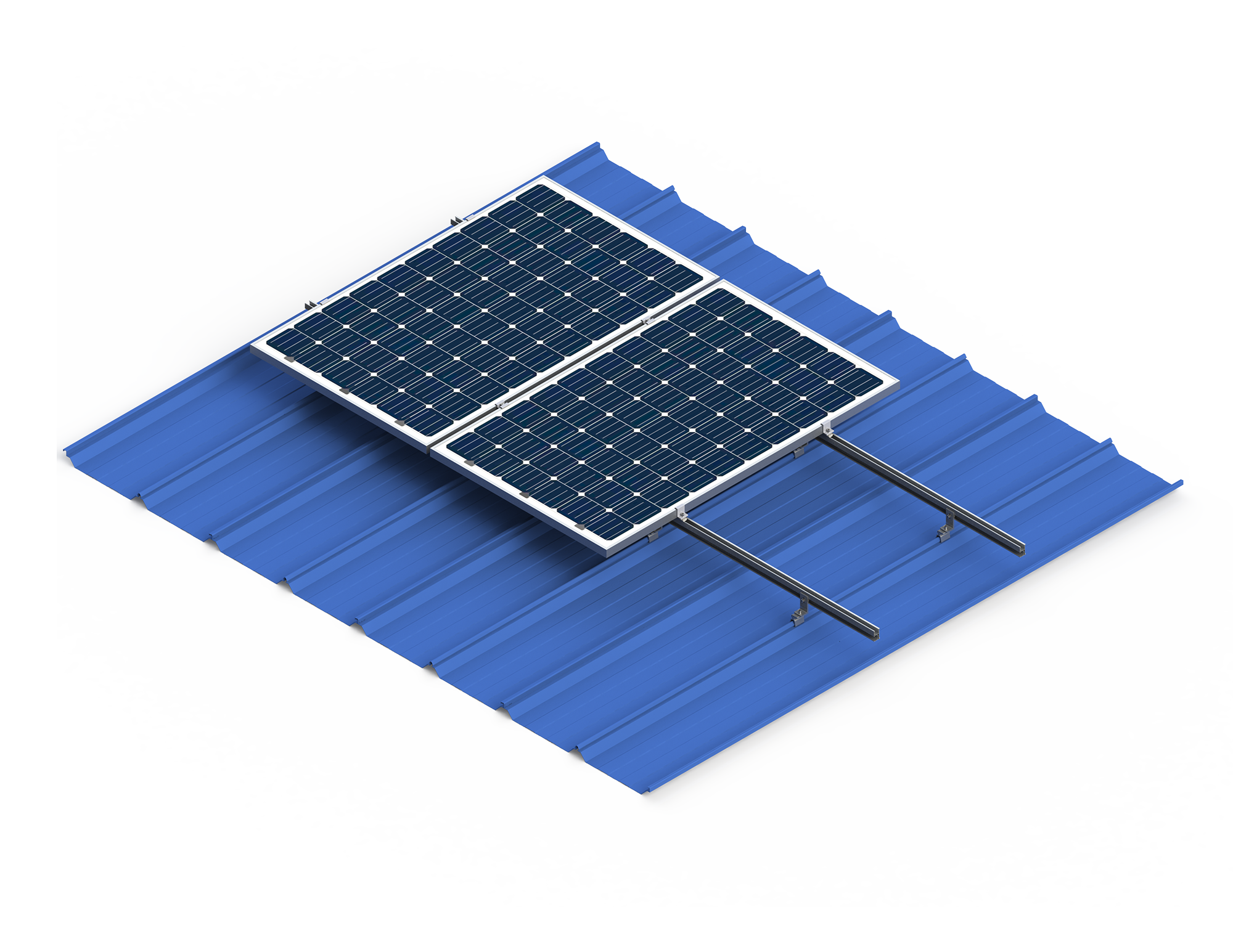

Harnessing the Power of the Sun: Unveiling the Benefits of Solar System Ground Mounts
Release time:
Jul 28,2025
Harnessing the Power of the Sun: Unveiling the Benefits of Solar System Ground Mounts
Table of Contents
- Introduction to Solar Ground Mounts
- What Are Solar Ground Mounts?
- Advantages of Solar Ground Mounts
- Design and Installation of Ground-Mounted Systems
- Cost Considerations for Ground-Mounted Solar Systems
- Maintenance Requirements for Solar Ground Mounts
- Comparing Rooftop and Ground-Mounted Solar Systems
- Case Studies: Successful Solar Ground Mount Installations
- Frequently Asked Questions
- Conclusion
Introduction to Solar Ground Mounts
As the world increasingly turns to renewable energy sources, solar power stands out as a leading option for sustainable living. Among the various solar energy installations, ground-mounted solar systems are gaining considerable attention. These systems offer a unique approach to harnessing solar energy, making them suitable for residential and commercial properties alike. In this article, we delve deep into the benefits of solar ground mounts, providing you with comprehensive insights into their efficiency, cost-effectiveness, and overall advantages.
What Are Solar Ground Mounts?
Solar ground mounts are structures designed to support solar panels installed directly on the ground rather than on rooftops. Typically built using metal or aluminum frames, these mounts are anchored to the ground to ensure stability and optimal panel positioning. Ground-mounted systems are particularly advantageous for properties with ample land space, providing flexibility in system design and layout.
Types of Ground Mounts
There are primarily two types of solar ground mounts: fixed and adjustable.
- **Fixed Ground Mounts**: These are stationary systems designed to maximize solar energy collection for a specific location.
- **Adjustable Ground Mounts**: Also known as tracking systems, these mounts can pivot to follow the sun’s trajectory throughout the day, enhancing energy capture.
Advantages of Solar Ground Mounts
Solar ground mounts come with a plethora of advantages that make them an attractive option for solar energy harnessing.
1. Increased Energy Production
Ground-mounted solar systems can be optimized for sun exposure, often resulting in higher energy production compared to rooftop systems. The ability to tilt and adjust the angle of the panels can significantly enhance solar capture.
2. Flexibility in Design
Ground mounts allow for more extensive solar installations. This flexibility enables owners to expand their systems as energy needs grow or technology advances.
3. Easier Maintenance
Maintenance is simplified with ground-mounted systems, as installers can easily access solar panels for cleaning and repairs without the safety hazards associated with rooftop installations.
4. Unobstructed Sunlight
Unlike rooftops, which may have obstructions like chimneys or trees, ground mounts can be strategically placed to avoid any shading, ensuring maximum sunlight exposure throughout the day.
5. Aesthetic Value
For some, ground-mounted solar systems can be visually appealing and can be designed to blend seamlessly into the landscape, unlike bulky rooftop installations.
Design and Installation of Ground-Mounted Systems
The design and installation of solar ground mounts require careful planning. Considerations include site selection, orientation, and local regulations.
Site Selection
Choosing the right site is critical for maximizing solar energy capture. Factors such as soil type, land slope, and proximity to power lines are vital in the decision-making process.
Installation Process
1. **Site Assessment**: Evaluate land conditions and potential obstacles.
2. **Permitting**: Obtain necessary permits and approvals from local authorities.
3. **Mount Installation**: Install the framework securely into the ground.
4. **Panel Mounting**: Secure solar panels onto the ground mounts, ensuring optimal tilt and alignment.
Cost Considerations for Ground-Mounted Solar Systems
Investing in solar ground mounts involves various costs that can influence the overall return on investment (ROI).
Initial Investment
The upfront costs include purchasing solar panels, ground mount systems, and installation expenses. While these can be higher than rooftop systems, the potential energy savings may justify the initial investment.
Long-Term Savings
Ground-mounted solar systems can yield significant energy savings over time, with many homeowners experiencing a reduction in electricity bills that can offset installation costs. Additionally, government incentives and rebates can further enhance the financial benefits.
Maintenance Requirements for Solar Ground Mounts
While solar ground mounts are relatively low-maintenance, periodic upkeep is necessary to ensure optimal performance.
Routine Checks
Regular inspections should be conducted to ensure the structural integrity of mounts and panels. Look for signs of wear, frame corrosion, or loose connections.
Cleaning
Dust and debris can accumulate on solar panels, diminishing efficiency. Cleaning the panels biannually is recommended, especially in areas prone to dust storms or heavy pollen.
Comparing Rooftop and Ground-Mounted Solar Systems
Both rooftop and ground-mounted systems have their pros and cons, and the choice depends largely on individual needs and property characteristics.
Space Availability
Rooftop systems are ideal for those with limited land space. However, ground mounts are suitable for properties with ample open land, allowing for larger installations.
Energy Output
Ground-mounted systems typically outperform rooftop systems in energy production due to better sun exposure and adjustable angles.
Aesthetic Considerations
Rooftop systems may be less noticeable, helping to maintain the property's aesthetic, while ground mounts can be designed to blend into the landscape or serve as an attractive feature.
Case Studies: Successful Solar Ground Mount Installations
Numerous successful ground-mounted solar installations exemplify their effectiveness and advantages.
Residential Example
A family in California opted for a ground-mounted system to accommodate their large energy consumption. They reported a 60% reduction in their electricity bill, demonstrating the long-term financial benefits.
Commercial Example
A local business installed a solar ground mount system across their unused land. This investment not only reduced their operating costs but also contributed to their sustainability goals, attracting eco-conscious clients.
Frequently Asked Questions
1. How long do solar ground mounts last?
With proper maintenance, solar ground mounts can last 25 years or more, similar to solar panels.
2. Are ground-mounted systems more expensive than rooftop systems?
While initial costs can be higher for ground mounts, their energy production and efficiency often provide a better ROI over time.
3. Can I install a ground-mounted system myself?
While DIY installation is possible, it is recommended to hire professionals to ensure proper setup and compliance with local codes.
4. Do ground-mounted systems require special permits?
Most regions require permits for ground installation due to zoning and safety regulations. Always check local laws before proceeding.
5. What is the optimal angle for ground-mounted solar panels?
The optimal angle varies based on geographical location. Generally, panels should be tilted at an angle equal to the latitude of the installation site for maximum sun exposure.
Conclusion
In conclusion, solar ground mounts present a multitude of benefits for harnessing solar energy, making them an excellent choice for both residential and commercial applications. With increased energy production, maintenance ease, and design flexibility, ground-mounted systems stand out as a viable option in the renewable energy landscape. As we continue to navigate towards sustainable living, embracing solar ground mounts can lead to significant long-term savings and contribute positively to the environment. Investing in solar energy through ground mounts is not just a choice for today; it is a commitment to a sustainable, eco-friendly future.
Related News


Social Media
Contact
Add:Room 906, No. 990 Anling Road, Huli District, Xiamen City, Fujian Province
Tel: +86-17359890759 / +86-18633699291
Email:egsolar@egsolarsystem.com
Copyright © 2024 Evergreen Solar New Energy Co., Ltd