

Harnessing the Sun: Unleashing the Power of a Solar Power Generation System
Release time:
May 13,2025
Harnessing the Sun: Unleashing the Power of a Solar Power Generation System
Introduction to Solar Power Generation Systems
The shift towards renewable energy sources has become more imperative than ever in light of environmental concerns and rising energy costs. Solar power generation systems stand at the forefront of this energy revolution, offering a sustainable and efficient way to harness the natural energy provided by the sun. By converting sunlight into electricity, solar power systems provide an array of benefits that can enhance both individual households and larger communities.
Understanding Solar Power Generation: How It Works
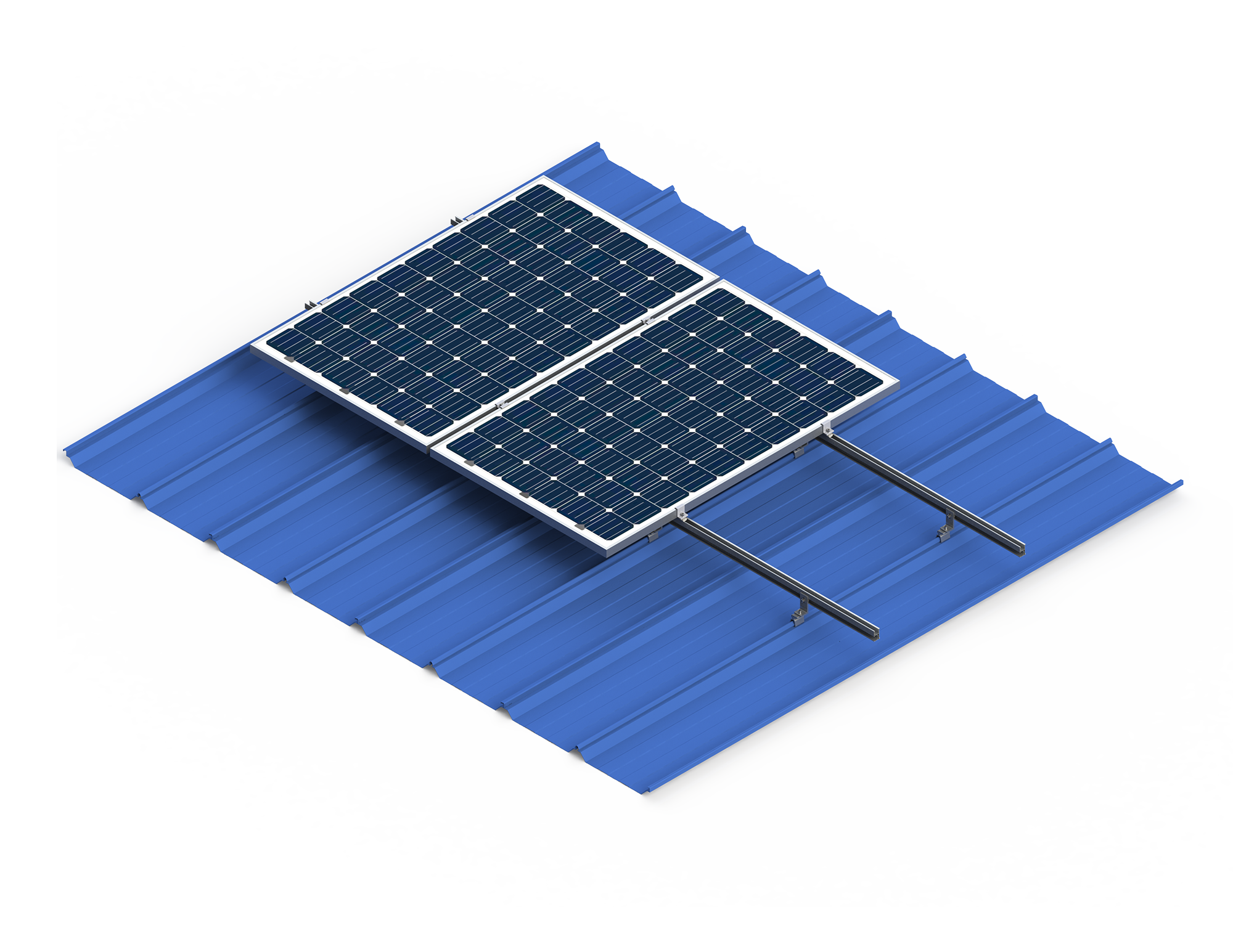
To fully appreciate the benefits of solar power generation systems, it is essential to understand the underlying technology. Solar panels, primarily composed of photovoltaic (PV) cells, convert sunlight directly into electricity through the photovoltaic effect. This process involves several key components:
1. Photovoltaic Cells
These cells are made from semiconductor materials, usually silicon, which generate an electric current when exposed to sunlight. Multiple cells are combined to form solar panels, which can capture more energy.
2. Inverters
Inverters play a crucial role in solar power systems by converting the direct current (DC) generated by the solar panels into alternating current (AC), which is used to power homes and businesses.
3. Battery Storage Systems
Battery storage systems allow energy generated during the day to be stored for use at night or during cloudy weather. This feature enhances the reliability and efficiency of solar power generation.
4. Monitoring Systems
Modern solar power systems often come with monitoring technology that enables users to track energy production and consumption, ensuring optimal performance and efficiency.
The Financial Benefits of Solar Power Generation Systems
Investing in a solar power generation system can lead to significant financial savings and incentives. Here are some of the primary economic advantages:
1. Reduced Energy Bills
By generating your own electricity, you can significantly reduce or even eliminate your monthly energy bills. The savings can be substantial, especially in areas with high electricity rates.
2. Tax Incentives and Rebates
Many governments offer tax incentives, rebates, and grants to encourage the adoption of solar energy. These financial benefits can substantially lower the initial investment required for solar power systems.
3. Increase in Property Value
Homes equipped with solar power systems often see an increase in property value. Prospective buyers are increasingly looking for energy-efficient homes, making solar installations a desirable feature.
4. Long-Term Financial Stability
Solar power provides protection against fluctuating energy prices. With a solar system, you can lock in your energy costs, providing long-term financial stability and predictability.
Environmental Benefits of Solar Energy
Transitioning to solar power has profound positive impacts on the environment. Here’s how solar energy contributes to a healthier planet:
1. Reduction in Carbon Footprint
Solar power generation systems produce electricity without emitting harmful greenhouse gases. This significant reduction in carbon emissions helps combat climate change.
2. Decreased Air Pollution
Solar energy systems contribute to cleaner air by reducing reliance on fossil fuels, which are major contributors to air pollution. This leads to improved public health and environmental quality.
3. Conservation of Water Resources
Unlike traditional power generation methods, solar energy systems consume minimal water. This conservation is crucial in regions facing water scarcity and promotes sustainable water management.
4. Sustainable Energy Source
Solar energy is abundant and renewable. By harnessing the sun, we tap into a virtually limitless energy resource that can serve our needs without depleting natural resources.
Types of Solar Power Generation Systems
There are several types of solar power generation systems, each designed to meet different energy needs. Understanding these options is vital for choosing the right system.
1. Grid-Tied Solar Systems
Grid-tied systems are connected to the utility grid, allowing users to draw from the grid when necessary and sell excess energy back to the grid. This option is popular for homeowners looking to maximize their savings.
2. Off-Grid Solar Systems
For those seeking complete energy independence, off-grid systems are ideal. These systems operate independently of the utility grid, relying on battery storage to provide energy during non-sunny periods.
3. Hybrid Solar Systems
Hybrid systems combine elements of both grid-tied and off-grid systems. They allow users to benefit from grid connectivity while maintaining battery storage for backup.
4. Community Solar Projects
Community solar projects enable groups of people to invest in a larger solar installation, allowing those who may not have suitable roofs to participate in solar energy generation.
Installation and Maintenance Considerations
When considering a solar power generation system, proper installation and maintenance are critical to ensuring long-term performance and efficiency.
1. Choosing the Right Installer
Selecting a reputable and experienced solar installer is essential. Look for certifications, customer reviews, and warranties to ensure quality workmanship.
2. Roof Condition and Orientation
The condition and orientation of your roof significantly affect solar panel efficiency. South-facing roofs with minimal shading are ideal for optimal energy production.
3. Regular Maintenance
While solar systems are generally low-maintenance, periodic inspections and cleaning of solar panels can ensure maximum efficiency. Monitoring systems can help detect any performance issues early on.
4. Understanding Local Regulations
Familiarize yourself with local solar regulations, permitting processes, and building codes. Compliance with these regulations is crucial for a successful installation.
Common Misconceptions About Solar Power Generation Systems
Despite the growing popularity of solar energy, several misconceptions persist. Addressing these misconceptions is vital for encouraging wider adoption.
1. Solar Panels Only Work in Sunny Climates
While solar panels are most efficient in sunny conditions, they can still generate electricity on cloudy days. Advances in technology have improved performance in various weather conditions.
2. Solar Power Is Too Expensive
Although the initial investment may seem high, the long-term savings, tax incentives, and decreasing costs of solar technology have made it more affordable than ever.
3. Solar Energy Is Not Reliable
With advancements in battery storage technology, solar power can provide reliable energy even when the sun isn't shining. Hybrid systems further enhance reliability.
4. Solar Is Only for Homeowners
Commercial properties, schools, and even non-profit organizations can benefit from solar energy installations. Community solar projects also allow renters to participate in solar energy generation.
Frequently Asked Questions (FAQs)
1. How much can I save by installing a solar power generation system?
Savings vary depending on energy consumption, local rates, and incentives, but many homeowners can save thousands over the lifespan of their solar systems.
2. What is the lifespan of solar panels?
Most solar panels come with a warranty of 25 years, but they can often last longer with proper maintenance.
3. Do solar panels require a lot of maintenance?
Solar panels are low-maintenance; regular cleaning and occasional inspections are typically all that is required.
4. Can I install solar panels myself?
While DIY installation is possible, professional installation ensures compliance with regulations and optimal performance.
5. Is solar energy suitable for every location?
While solar energy can be effective in most areas, factors like shading, roof orientation, and local climate can affect performance. A site assessment is recommended.
Conclusion
Harnessing solar power through a solar generation system is not just a trend; it is a smart and necessary investment in a sustainable future. With numerous financial and environmental benefits, solar energy offers a pathway to energy independence, lower utility costs, and a healthier planet. By understanding the technology, installation considerations, and dispelling common myths, individuals and businesses alike can take advantage of this abundant resource. As we continue to innovate and improve solar technology, embracing solar energy is a crucial step towards a greener tomorrow.
Related News


Social Media
Contact
Add:Room 906, No. 990 Anling Road, Huli District, Xiamen City, Fujian Province
Tel: +86-17359890759 / +86-18633699291
Email:egsolar@egsolarsystem.com
Copyright © 2024 Evergreen Solar New Energy Co., Ltd