
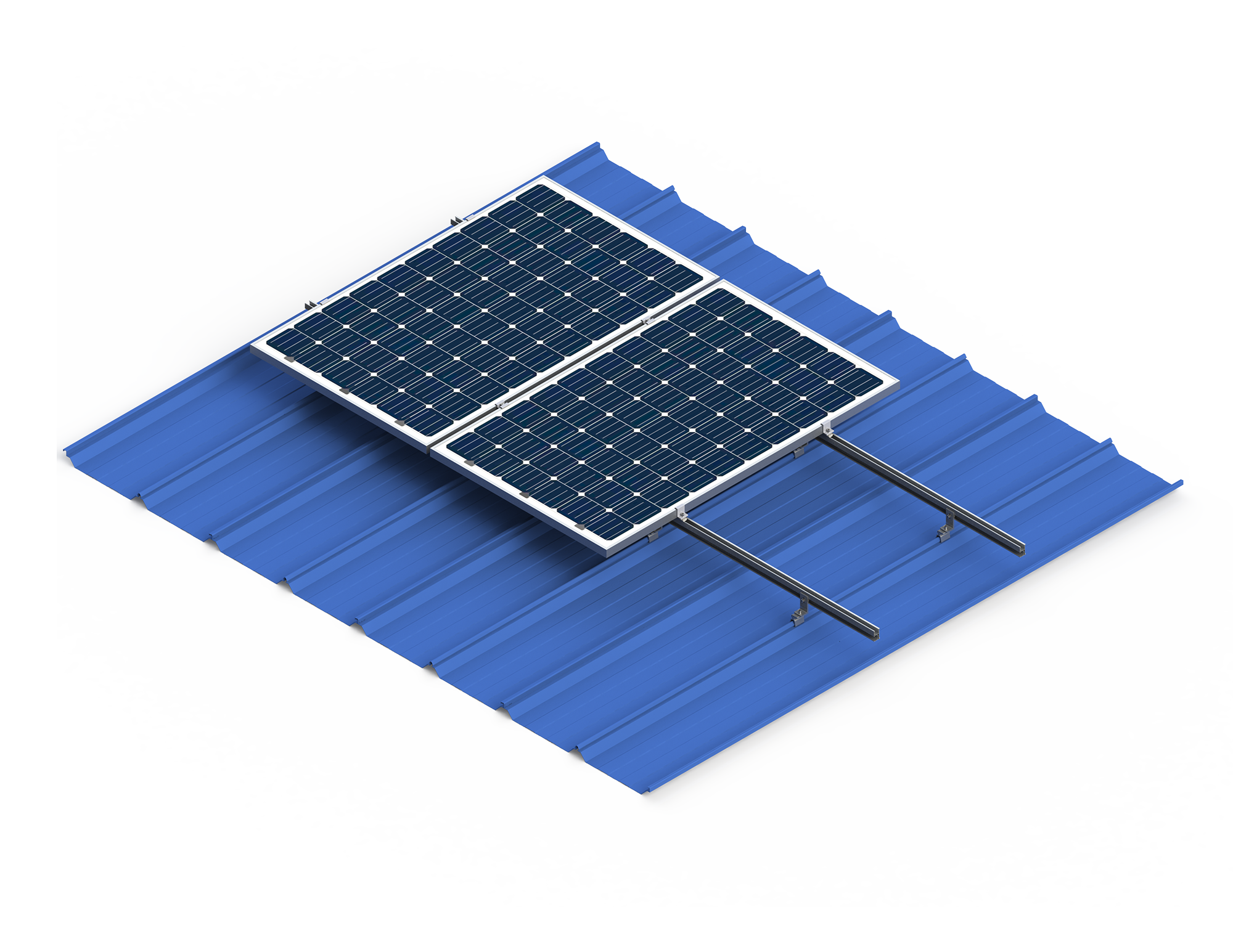

Maximizing Efficiency: Understanding Ground Solar Panels for Optimal Energy Production
Release time:
Mar 24,2025
Maximizing Efficiency: Understanding Ground Solar Panels
Ground solar panels represent a significant advancement in renewable energy technology, offering an efficient and sustainable solution for harnessing solar power. In this comprehensive guide, we’ll delve deep into the various aspects of ground solar panels, including their design, installation, efficiency, maintenance, and potential benefits. By the end of this article, you’ll have a complete understanding of how to maximize the efficiency of your solar energy system.
Table of Contents
- What Are Ground Solar Panels?
- Benefits of Ground Solar Panels
- How Ground Solar Panels Work
- Installation Process of Ground Solar Panels
- Maintaining Ground Solar Panels for Longevity
- Improving Efficiency of Solar Panels
- Cost Analysis of Ground Solar Panels
- Common Myths About Ground Solar Panels
- Frequently Asked Questions
- Conclusion
What Are Ground Solar Panels?
Ground solar panels are solar energy systems installed on the ground rather than on rooftops. These systems consist of solar photovoltaic (PV) panels mounted on a structure that allows them to capture sunlight effectively. Ground solar installations can vary in size, from small residential systems to large commercial projects. They are particularly beneficial for properties with ample land space, providing greater flexibility in terms of orientation and tilt, which can significantly enhance energy output.
The Components of Ground Solar Panels
A typical ground solar panel system includes several key components:
- **Solar Panels**: The heart of the system, solar panels convert sunlight into electricity.
- **Inverter**: This device converts the direct current (DC) electricity generated by the solar panels into alternating current (AC) electricity, which is used in homes and businesses.
- **Mounting Structure**: Ground-mounted systems require a sturdy structure to support the panels at an optimal angle.
- **Battery Storage**: Optional but beneficial, battery storage allows for the storage of excess energy produced during the day for use at night or during cloudy days.
- **Monitoring System**: This feature tracks the system's performance and energy production, ensuring optimal operation.
Benefits of Ground Solar Panels
Ground solar panels offer numerous advantages, making them an appealing choice for many homeowners and businesses.
1. Increased Energy Production
The ability to position ground solar panels at the optimal angle allows for maximum sunlight exposure, leading to increased energy production compared to rooftop installations.
2. Easier Maintenance
Ground-mounted solar panels are more accessible for maintenance and cleaning, ensuring that they operate at peak efficiency without the risks associated with rooftop access.
3. Flexibility in Design
Ground solar systems can be customized in size and configuration to suit specific energy needs, making them suitable for a variety of applications.
4. No Roof Space Limitation
For properties with limited roof space or complicated roof structures, ground solar panels provide an excellent alternative for harnessing solar energy.
5. Aesthetic Options
Ground-mounted solar panels can be designed to blend with the landscaping, providing a visually appealing solution that complements the property rather than detracting from it.
How Ground Solar Panels Work
Ground solar panels operate on the same principles as traditional solar panels. When sunlight strikes the solar cells within the panels, photons are absorbed, exciting electrons and generating a flow of electricity.
The Process of Energy Generation
1. **Sunlight Absorption**: Solar cells absorb sunlight, which excites the electrons within the cells.
2. **Energy Conversion**: The excited electrons generate direct current (DC) electricity.
3. **Inversion**: The inverter converts DC electricity into alternating current (AC) electricity, making it usable for home appliances.
4. **Distribution**: The produced electricity is either consumed in real time, stored in batteries, or fed back into the grid.
Installation Process of Ground Solar Panels
Installing ground solar panels involves several essential steps to ensure optimal performance and efficiency.
1. Site Assessment
A thorough site assessment is crucial to determine the best location for the solar array. Factors such as sunlight exposure, shading from trees or buildings, and soil conditions must be evaluated.
2. Design and Planning
Based on the assessment, a detailed system design is created, including the size of the system, panel layout, and mounting structure.
3. Obtaining Permits
Before installation, it is essential to obtain the necessary permits and approvals from local authorities regarding zoning and building codes.
4. Ground Preparation
The installation site needs to be cleared, leveled, and prepared for the mounting structure.
5. Mounting Structure Installation
The mounting structure is installed first, ensuring it is securely anchored to withstand weather and environmental factors.
6. Panel Installation
Once the mounting structure is ready, the solar panels are installed, ensuring optimal alignment and angle for maximum sunlight exposure.
7. Electrical Connections
All electrical connections, including the inverter and battery storage (if applicable), are made, ensuring adherence to safety standards.
8. System Testing
After installation, the system undergoes rigorous testing to ensure it operates efficiently and safely.
Maintaining Ground Solar Panels for Longevity
Proper maintenance is essential to maximize the lifespan and efficiency of ground solar panels.
1. Regular Cleaning
Dust, dirt, and debris can accumulate on solar panels, reducing their efficiency. Regular cleaning, especially after storms or dusty conditions, can enhance energy production.
2. Monitoring System Performance
Using a monitoring system allows owners to track performance metrics, identifying any issues that may arise.
3. Checking Electrical Connections
Periodically checking all electrical connections ensures that everything is secure and functioning correctly.
4. Inspecting for Damage
Regularly inspecting the panels for physical damage or wear and tear can prevent more significant issues down the line.
Improving Efficiency of Solar Panels
Enhancing the efficiency of ground solar panels is vital for maximizing energy production. Here are several strategies:
1. Optimal Panel Positioning
Positioning panels to face true south (in the northern hemisphere) at the correct angle can optimize sunlight absorption.
2. Utilizing Solar Trackers
Solar trackers adjust the position of the panels throughout the day to follow the sun's path, significantly boosting energy production.
3. Implementing Shade Management
Eliminating or managing shade from nearby trees or structures is crucial, as even partial shading can reduce energy output.
4. Upgrading Technology
Investing in high-efficiency solar panels or newer technologies, such as bifacial panels, can enhance energy production significantly.
Cost Analysis of Ground Solar Panels
Understanding the cost implications of ground solar panel installation is essential for making an informed decision.
1. Initial Investment
The upfront cost includes the panels, inverters, mounting structures, and installation fees. While this can be significant, various incentives and tax credits may be available to offset costs.
2. Long-Term Savings
Despite the initial investment, ground solar panels can lead to substantial long-term savings on electricity bills, often paying for themselves within a few years.
3. Maintenance Costs
Annual maintenance costs should also be factored in, although these are generally minimal compared to the savings achieved.
4. Return on Investment (ROI)
Calculating the ROI involves evaluating energy savings against the initial costs, providing a clearer picture of the financial benefits over time.
Common Myths About Ground Solar Panels
Several misconceptions about ground solar panels can deter potential users. Here, we debunk some of these myths:
1. Solar Panels Are Only Effective in Sunny Areas
While sunlight is essential, solar panels can still generate electricity on cloudy days. Their efficiency may decrease, but they do not require direct sunlight.
2. Solar Energy Is Too Expensive
Though the initial investment can be high, government incentives and long-term savings on energy bills make solar energy an economically viable option.
3. Solar Panels Require Excessive Maintenance
Ground solar panels require minimal maintenance, primarily cleaning and occasional inspections to ensure optimal performance.
4. Solar Energy Is Inefficient
Advancements in technology have significantly improved the efficiency of solar panels, making them a reliable source of energy.
Frequently Asked Questions
1. How much space do I need for ground solar panels?
The space required depends on the size of the system you plan to install. Generally, you should allocate at least 100-400 square feet for smaller systems.
2. Can I install ground solar panels myself?
While some homeowners may choose to do it themselves, hiring a professional installer is recommended to ensure safety and compliance with local regulations.
3. How long do ground solar panels last?
Most ground solar panels have a lifespan of 25-30 years, with warranties typically covering 20-25 years.
4. What happens to ground solar panels during bad weather?
Ground solar panels are designed to withstand various weather conditions, including rain, snow, and wind. However, it is essential to monitor their performance after severe weather events.
5. Do ground solar panels increase property value?
Yes, installing solar panels can increase your property value, as many homebuyers are drawn to energy-efficient features and potential energy savings.
Conclusion
Ground solar panels are a powerful tool for maximizing energy efficiency and harnessing the sun's abundant resources. Their flexibility in design, ease of maintenance, and enhanced energy production make them an attractive option for homeowners and businesses alike. By understanding the installation process, ongoing maintenance, and strategies for improving efficiency, you can unlock the full potential of ground solar panels. With the right approach, transitioning to solar energy can lead to significant long-term savings and a more sustainable future.
Related News


Social Media
Contact
Add:Room 906, No. 990 Anling Road, Huli District, Xiamen City, Fujian Province
Tel: +86-17359890759 / +86-18633699291
Email:egsolar@egsolarsystem.com
Copyright © 2024 Evergreen Solar New Energy Co., Ltd