
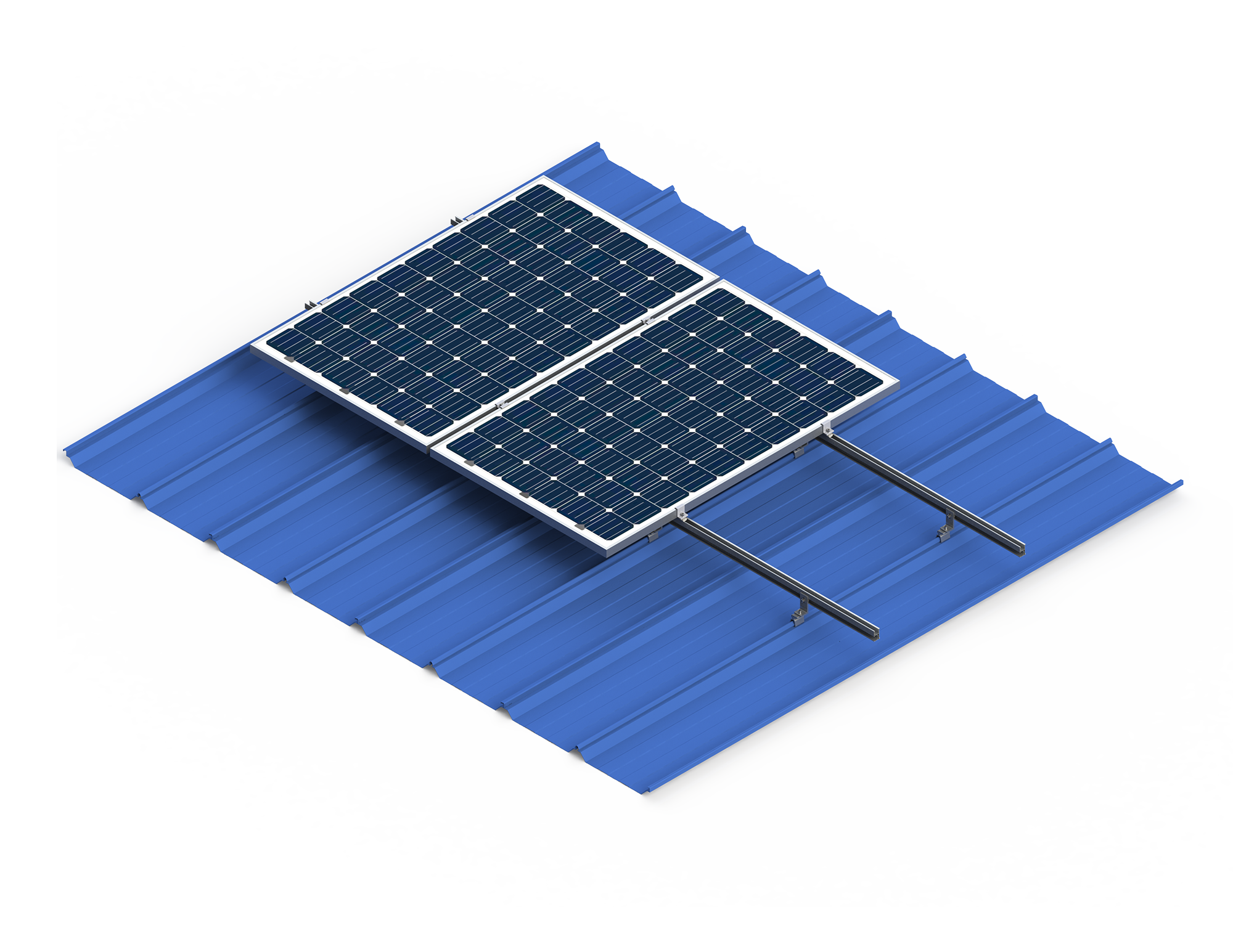

The Ultimate Guide to Choosing a Ground Mount Solar Frame: Everything You Need to Know
Release time:
Mar 14,2025
The Ultimate Guide to Choosing a Ground Mount Solar Frame
Table of Contents
1. Introduction to Ground Mount Solar Frames
2. Benefits of Ground Mount Solar Frames
3. Types of Ground Mount Solar Frames
3.1. Fixed Ground Mounts
3.2. Adjustable Ground Mounts
3.3. Tracker Systems
4. Key Factors to Consider When Choosing a Ground Mount Solar Frame
4.1. Site Assessment
4.2. Material Quality
4.3. Installation Requirements
5. Installation Tips and Best Practices
6. Maintenance of Ground Mount Solar Frames
7. Cost Analysis: What's Your Budget?
8. Frequently Asked Questions (FAQs)
9. Conclusion
1. Introduction to Ground Mount Solar Frames
The shift toward renewable energy sources has made solar energy increasingly popular. Among the various components essential for solar power systems, **ground mount solar frames** stand out. Unlike roof-mounted systems, ground mounts offer flexibility in positioning and can optimize solar panel exposure to sunlight. This comprehensive guide will walk you through everything you need to know to choose the right ground mount solar frame for your solar energy needs.
2. Benefits of Ground Mount Solar Frames
Ground mount solar frames offer numerous advantages over other mounting options. Here are some key benefits:
- **Enhanced Efficiency**: Ground mounts allow for optimal panel orientation, maximizing sunlight exposure.
- **Easier Access**: These frames make maintenance and cleaning more accessible.
- **Versatile Installation**: Ground mounts can be installed in various terrains and conditions.
- **Expansion Potential**: They provide the option to add more panels in the future without structural restrictions.
Ground mount solar frames promote efficient energy production, making them a favored choice among homeowners and businesses alike.
3. Types of Ground Mount Solar Frames
When choosing a ground mount solar frame, it’s essential to understand the different types available. Each type comes with its own set of features suited to various needs.
3.1. Fixed Ground Mounts
Fixed ground mounts are stationary structures that hold solar panels at a specific angle.
- **Pros**: Simple installation and lower cost.
- **Cons**: Limited flexibility in adjusting to seasonal sun angles.
3.2. Adjustable Ground Mounts
These mounts allow for seasonal adjustments to the angle of the panels, optimizing energy capture throughout the year.
- **Pros**: Improved efficiency compared to fixed mounts.
- **Cons**: Slightly more complex installation and higher costs.
3.3. Tracker Systems
Tracker systems automatically adjust the panels’ angle throughout the day to follow the sun.
- **Pros**: Maximum energy production; up to 25% more than fixed mounts.
- **Cons**: Higher installation and maintenance costs.
4. Key Factors to Consider When Choosing a Ground Mount Solar Frame
Selecting the right ground mount solar frame involves several critical considerations.
4.1. Site Assessment
A thorough site assessment is vital to ensure optimal performance. Analyze the following:
- **Sunlight Exposure**: Identify areas with the least shading during peak sunlight hours.
- **Soil Quality**: Determine if the soil can support the frame’s weight and resist erosion.
- **Accessibility**: Ensure that the chosen location is easy to access for maintenance.
4.2. Material Quality
The durability of your ground mount solar frame depends significantly on the materials used. Look for:
- **Corrosion Resistance**: Aluminum and galvanized steel are popular choices for their resistance to weather elements.
- **Warranties**: Opt for frames with robust warranties to ensure longevity.
4.3. Installation Requirements
Installation can vary based on the type of ground mount selected. Consider the following:
- **DIY vs. Professional Installation**: Assess your skill level and whether professional help is needed.
- **Permits and Regulations**: Check local regulations regarding solar installations to avoid potential legal issues.
5. Installation Tips and Best Practices
Proper installation can significantly impact the efficiency of your solar energy system. Here are some tips to ensure a successful installation:
- **Follow Manufacturer Guidelines**: Adhere to the specifications and instructions provided by the manufacturer.
- **Secure Foundations**: Ensure the frame is anchored securely, especially in regions prone to high winds.
- **Optimize Angle**: Set the angle of the panels according to your geographic location for maximum solar absorption.
6. Maintenance of Ground Mount Solar Frames
Regular maintenance of your ground mount solar frame is essential to ensure its longevity and efficiency. Here are some maintenance tips:
- **Regular Inspections**: Check for rust, loose bolts, and any signs of wear and tear.
- **Cleaning Panels**: Keep solar panels free from dirt and debris to maintain efficiency.
- **Professional Check-Ups**: Consider hiring professionals for annual inspections to identify and resolve potential issues.
7. Cost Analysis: What's Your Budget?
Understanding the costs associated with ground mount solar frames can help you make informed financial decisions. Consider the following:
- **Initial Costs**: Evaluate the price of the frame, installation, and any necessary permits.
- **Long-Term Savings**: Assess potential savings on energy bills and any available tax incentives or rebates for solar installations.
- **Return on Investment (ROI)**: Calculate the expected ROI based on energy savings and the lifespan of the solar system.
8. Frequently Asked Questions (FAQs)
**Q1: How long do ground mount solar frames last?**
Ground mount solar frames typically last between 20 to 30 years, depending on material quality and maintenance.
**Q2: Can I install a ground mount solar frame myself?**
Yes, if you have the necessary skills and tools, a DIY installation is possible. However, hiring professionals can ensure proper setup and compliance with local regulations.
**Q3: What is the best angle for solar panels on a ground mount?**
The optimal angle varies by location but is generally between 30 and 45 degrees. Use local solar calculators for precise recommendations.
**Q4: Are ground mount solar frames suitable for all types of terrain?**
Yes, ground mount frames can be adapted to various terrains, but a thorough site assessment is essential for optimal performance.
**Q5: Do I need a permit to install a ground mount solar frame?**
Permitting requirements vary by location. Always check local regulations to ensure compliance before installation.
9. Conclusion
Choosing the right ground mount solar frame is a critical step in optimizing your solar energy system. By understanding the different types of frames, their benefits, and the essential factors to consider, you can make an informed decision that suits your needs. With proper installation and maintenance, your ground mount solar frame will not only enhance the efficiency of your solar panels but also contribute to a sustainable future. Embrace the power of solar energy and take the first step towards a greener tomorrow!
Related News


Social Media
Contact
Add:Room 906, No. 990 Anling Road, Huli District, Xiamen City, Fujian Province
Tel: +86-17359890759 / +86-18633699291
Email:egsolar@egsolarsystem.com
Copyright © 2024 Evergreen Solar New Energy Co., Ltd