
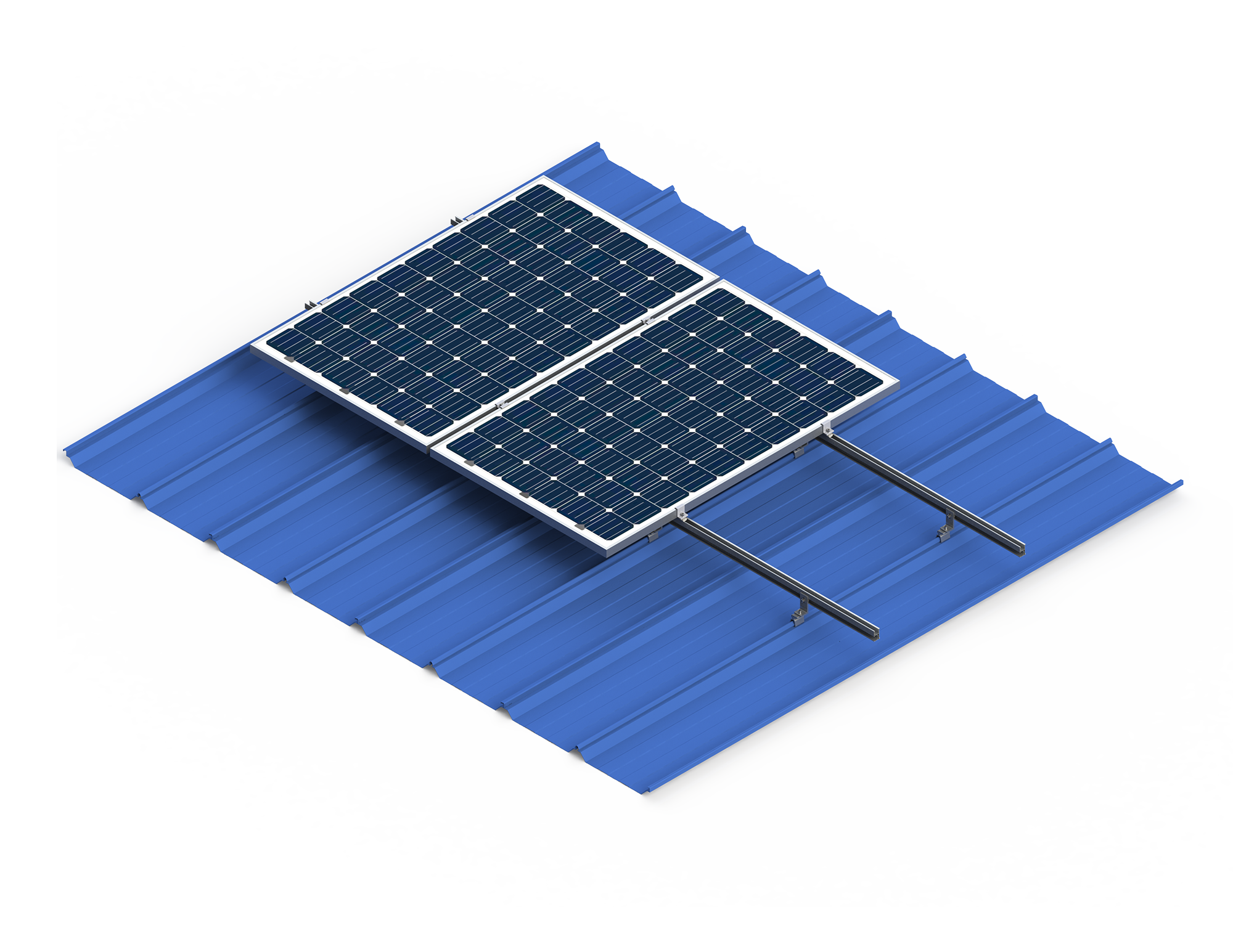

Transform Your Energy with Ground Mount Solar Frame Solutions: The Ultimate Guide
Release time:
Mar 04,2025
Transform Your Energy with Ground Mount Solar Frame Solutions
Ground mount solar frame solutions are revolutionizing the way we harness solar energy, offering an effective alternative to traditional rooftop installations. As the world increasingly shifts toward renewable energy sources, understanding the advantages of ground-mounted solar panels is crucial for homeowners and businesses alike. This in-depth guide explores various aspects of ground mount solar frame solutions, providing valuable insights to help you make informed decisions.
Table of Contents
1. Understanding Ground Mount Solar Frame Solutions
2. Benefits of Ground Mount Solar Panel Systems
3. Key Factors to Consider Before Installation
3.1 Location and Land Use
3.2 System Size and Capacity
3.3 Soil Quality and Site Conditions
4. Types of Ground Mount Solar Frame Solutions
4.1 Fixed Tilt Systems
4.2 Adjustable Tilt Systems
4.3 Ground Mount Solar Racking Systems
5. Installation Process of Ground Mount Solar Panels
6. Maintenance and Longevity
7. Cost Analysis and Financial Considerations
8. Frequently Asked Questions (FAQs)
9. Conclusion
1. Understanding Ground Mount Solar Frame Solutions
Ground mount solar frame solutions involve solar panels installed on frames anchored to the ground, as opposed to being mounted on rooftops. These systems provide flexibility in design and placement, allowing for optimal sun exposure and energy generation. Ground-mounted solar panels are suitable for various applications, from residential properties to large-scale commercial installations.
2. Benefits of Ground Mount Solar Panel Systems
The advantages of ground mount solar panel systems are numerous. Here are some key benefits:
1. **Improved Energy Efficiency**: Ground-mounted systems can be placed in locations that receive maximum sunlight throughout the day, ensuring optimal energy production.
2. **Ease of Maintenance**: Ground systems are more accessible for cleaning and maintenance compared to rooftop installations, leading to better long-term performance.
3. **Flexibility in Design**: With ground-mounted systems, you can customize the layout and orientation of the solar panels, optimizing them for specific energy needs.
4. **Potential for Larger Installations**: Ground mount systems can accommodate larger arrays of solar panels, which is particularly beneficial for businesses looking to significantly reduce their energy costs.
5. **Enhanced Aesthetic Options**: For homeowners, ground-mounted solar frames can be designed in a way that complements the landscape, offering aesthetic appeal while harnessing renewable energy.
3. Key Factors to Consider Before Installation
Before proceeding with the installation of ground mount solar frame solutions, it is essential to evaluate several key factors.
3.1 Location and Land Use
The location of your ground-mounted solar system plays a critical role in its efficiency. Consider zoning regulations and land use restrictions in your area to ensure compliance. Additionally, assess whether the land is suitable for solar installation without being obstructed by trees, buildings, or other structures.
3.2 System Size and Capacity
Determining the appropriate size and capacity of your solar system is crucial. Conduct an energy audit to evaluate your electricity consumption and identify how much energy you want your solar system to produce. This will help you select the right number of panels and the appropriate frame solution.
3.3 Soil Quality and Site Conditions
The soil type and site conditions will affect the installation process and the stability of the solar frames. Conduct a soil test to ensure it can support the weight and structure of the solar array. Properly assessing site conditions will also help avoid future issues such as erosion or instability.
4. Types of Ground Mount Solar Frame Solutions
Different types of ground mount solar frame solutions exist, each tailored to specific needs and conditions.
4.1 Fixed Tilt Systems
Fixed tilt systems are anchored at a predetermined angle to optimize sunlight exposure. They are simple to install and require minimal maintenance, making them a popular choice for residential and commercial applications.
4.2 Adjustable Tilt Systems
Adjustable tilt systems allow users to change the tilt angle of the panels seasonally. This flexibility can lead to increased energy production throughout the year, maximizing the efficiency of the solar system.
4.3 Ground Mount Solar Racking Systems
Racking systems provide a robust framework for securing solar panels to the ground. These systems come in various configurations and are designed to withstand environmental factors such as wind, snow, and rain, ensuring long-term durability and performance.
5. Installation Process of Ground Mount Solar Panels
The installation process for ground mount solar panels typically involves the following steps:
1. **Site Assessment**: Evaluate the site for optimal sun exposure and assess soil conditions.
2. **Permitting and Planning**: Obtain necessary permits and finalize design plans.
3. **Foundation Preparation**: Prepare the ground by excavating and pouring concrete for the anchor supports.
4. **Frame Assembly**: Assemble the ground mount frame according to the specifications.
5. **Panel Installation**: Secure the solar panels onto the frame, ensuring proper alignment and orientation for optimal energy capture.
6. **Electrical Connections**: Connect the solar panels to the electrical system, including inverters and batteries if applicable.
7. **Final Inspection**: Conduct a thorough inspection to ensure all components are securely installed and functional.
6. Maintenance and Longevity
Ground mount solar frame solutions typically require less maintenance than rooftop systems. Routine maintenance should include:
- **Cleaning the Panels**: Regularly remove dirt, debris, and snow to ensure maximum sunlight exposure.
- **Inspecting the Frame**: Regularly check the structural integrity of the frame and make any necessary repairs.
- **Monitoring Performance**: Use monitoring tools to track the energy output and identify any issues.
With proper maintenance, ground mount solar systems can last 25 years or more, providing a consistent source of renewable energy.
7. Cost Analysis and Financial Considerations
When evaluating ground mount solar frame solutions, it’s essential to conduct a comprehensive cost analysis. Factors to consider include:
- **Initial Investment**: The cost of solar panels, frames, installation, and any additional components needed.
- **Incentives and Rebates**: Research local and federal incentives that can offset the initial costs.
- **Long-Term Savings**: Calculate potential savings on energy bills over the lifespan of the solar system.
- **Return on Investment (ROI)**: Assess the timeframe for recouping the initial investment through energy savings and incentives.
Investing in ground mount solar frame solutions can lead to significant long-term savings and a reduced carbon footprint.
8. Frequently Asked Questions (FAQs)
What are ground mount solar frame solutions?
Ground mount solar frame solutions consist of solar panels installed on frames anchored to the ground, allowing for optimal sun exposure and energy generation.
How do I determine the right size for my ground-mounted solar system?
Conduct an energy audit to evaluate your electricity consumption and identify how much energy you want your solar system to produce.
Can ground mount solar panels be adjusted for seasonal changes?
Yes, adjustable tilt systems allow users to change the tilt angle of the panels seasonally, maximizing energy production throughout the year.
What maintenance is required for ground mount solar panel systems?
Routine maintenance includes cleaning the panels, inspecting the frame, and monitoring performance to ensure optimal energy production.
How long can I expect my ground mount solar system to last?
With proper maintenance, ground mount solar panels can last 25 years or more, providing a consistent source of renewable energy.
9. Conclusion
Ground mount solar frame solutions offer a versatile and efficient way to harness the power of the sun. By understanding the benefits, installation process, and maintenance requirements, you can make an informed decision about integrating these systems into your energy strategy. As we continue to seek sustainable energy solutions, investing in ground-mounted solar panels not only contributes to reducing carbon emissions but also leads to considerable savings on energy costs. Take the first step toward transforming your energy approach today!
Related News


Social Media
Contact
Add:Room 906, No. 990 Anling Road, Huli District, Xiamen City, Fujian Province
Tel: +86-17359890759 / +86-18633699291
Email:egsolar@egsolarsystem.com
Copyright © 2024 Evergreen Solar New Energy Co., Ltd