
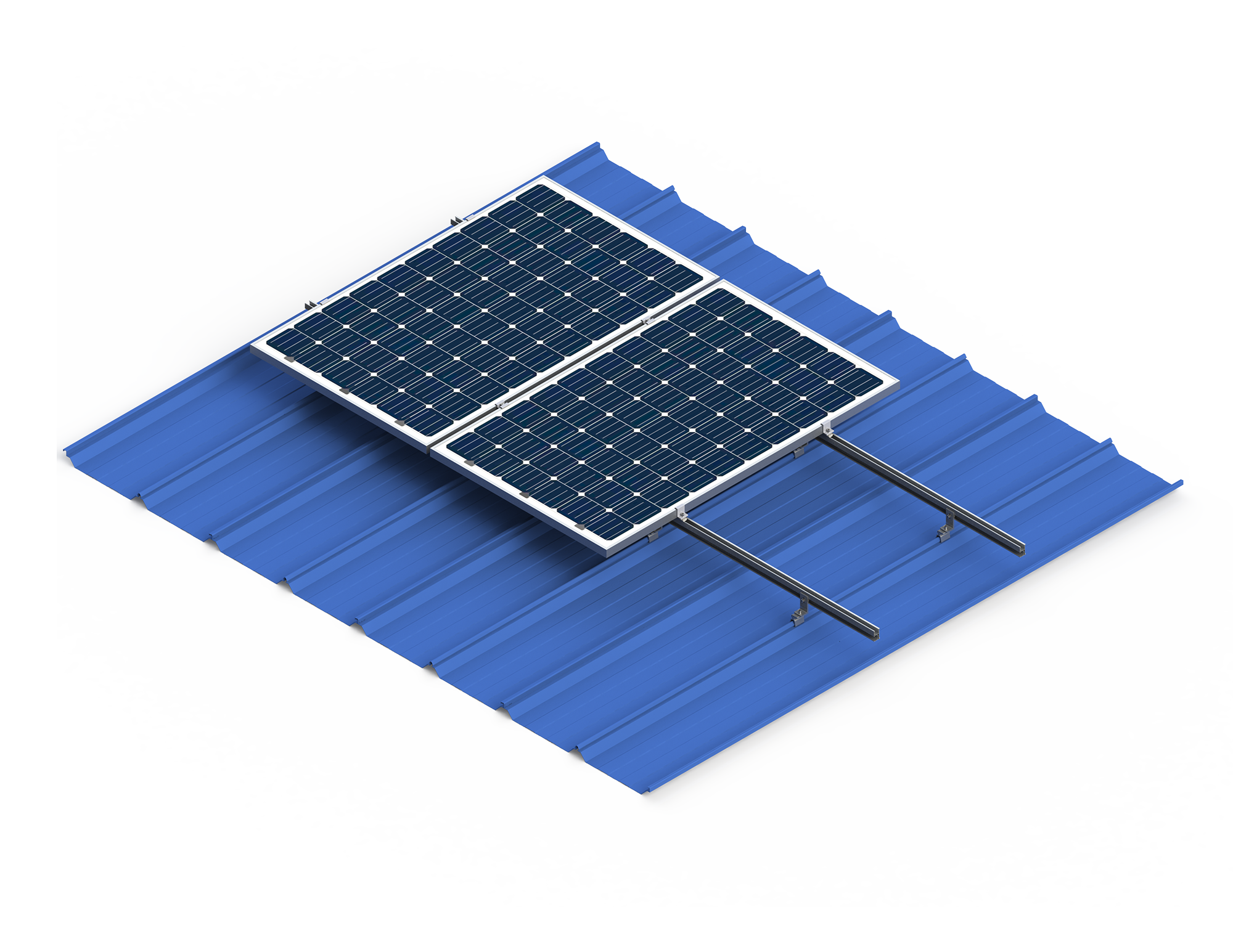

The Ultimate Guide to Installing Solar Panels on Business Roofs
Release time:
Feb 22,2025
The Ultimate Guide to Installing Solar Panels on Business Roofs
Table of Contents
- 1. Introduction to Solar Panels for Businesses
- 2. Key Benefits of Installing Solar Panels on Business Roofs
- 3. Types of Solar Panels Suitable for Commercial Use
- 4. Assessing Your Business Roof for Solar Panel Installation
- 5. Step-by-Step Process for Installing Solar Panels
- 6. Financing Options for Solar Panel Installation
- 7. Maintenance Tips for Your Solar Panel System
- 8. Conclusion: Taking the Leap into Solar Energy
- 9. Frequently Asked Questions
1. Introduction to Solar Panels for Businesses
The transition toward renewable energy sources has become increasingly important for businesses looking to reduce operational costs and environmental impact. Solar panels are a pivotal component in this transition, particularly for commercial properties. Installing solar panels on business roofs not only promotes sustainability but can also significantly decrease energy expenses. In this guide, we will explore the intricacies of solar panel installation, addressing potential challenges and providing solutions.
2. Key Benefits of Installing Solar Panels on Business Roofs
When considering an investment in solar energy, businesses can expect a multitude of benefits, including:
2.1. Cost Savings
**Energy costs** are one of the largest expenses in running a business. By generating your own electricity through solar panels, you can significantly lower your utility bills over time.
2.2. Tax Incentives and Rebates
Many governments offer financial incentives for businesses that invest in renewable energy. This includes **tax credits, rebates**, and grants, which can offset the installation costs significantly.
2.3. Environmental Impact
By harnessing solar energy, businesses contribute to the reduction of greenhouse gas emissions, aligning with global sustainability goals. Your commitment to **eco-friendly practices** can elevate your brand image and attract environmentally conscious customers.
2.4. Energy Independence
Solar panels allow businesses to become less dependent on the grid. This independence can be particularly beneficial during **power outages** or in regions with unstable energy supply.
3. Types of Solar Panels Suitable for Commercial Use
Choosing the right type of solar panel is crucial for maximizing efficiency and return on investment. The three main types of solar panels suitable for commercial use include:
3.1. Monocrystalline Solar Panels
Monocrystalline panels are known for their high efficiency and space-saving designs. They are ideal for businesses with limited roof space, offering maximum power output.
3.2. Polycrystalline Solar Panels
Polycrystalline panels are generally less expensive than their monocrystalline counterparts but require more space for installation. They have a slightly lower efficiency but still provide substantial energy output, making them a popular choice.
3.3. Thin-Film Solar Panels
Thin-film panels are lightweight and flexible, allowing for various installation methods. While they are less efficient than crystalline panels, they can be an excellent option for certain roofing types.
4. Assessing Your Business Roof for Solar Panel Installation
Before installation, a thorough assessment of your business roof is essential. Key factors to consider include:
4.1. Roof Condition
Ensure that the roof is in good condition and can support the weight of solar panels. Any necessary repairs should be made prior to installation.
4.2. Orientation and Shading
The roof's orientation plays a significant role in solar panel efficiency. Ideally, roofs should face south, southwest, or southeast to maximize sunlight exposure. Additionally, shading from nearby trees or buildings can impact performance.
4.3. Local Building Codes and Regulations
Familiarize yourself with local regulations that may affect installation. Obtaining the necessary permits is crucial to avoid fines and ensure compliance.
5. Step-by-Step Process for Installing Solar Panels
The installation process can be broken down into several critical steps:
5.1. Initial Consultation
Schedule a consultation with a solar provider to discuss your energy needs and potential savings. They will conduct a site survey to assess your roof and provide estimates.
5.2. Design and Planning
Once you choose a provider, they will design a customized solar system tailored to your business's energy requirements. This includes the number of panels needed and their placement on the roof.
5.3. Securing Permits
Before installation can begin, securing any necessary permits from local authorities is essential. This step ensures that the installation meets all legal requirements.
5.4. Installation Day
Installation typically takes one to three days, depending on the system's size. Professionals will mount the panels, connect wiring, and set up the inverter, which converts solar energy into usable power.
5.5. Inspection and Activation
After installation, a final inspection will be conducted to ensure everything meets safety and operational standards. Once approved, your solar system will be activated, and you can start enjoying the benefits of renewable energy.
6. Financing Options for Solar Panel Installation
Investing in solar energy can represent a significant upfront cost. However, various financing options are available to make the process more manageable:
6.1. Purchase Outright
Purchasing the system outright allows businesses to reap the full benefits of solar energy, including tax credits and rebates. This option requires significant initial investment.
6.2. Solar Loans
Many financial institutions offer loans specifically designed for solar energy systems. These loans allow businesses to pay for their solar installations over time while still benefiting from energy savings.
6.3. Power Purchase Agreements (PPAs)
Under a PPA, a third-party company owns and maintains the solar system. Businesses pay for the energy generated at a predetermined rate, usually lower than their current utility rates.
6.4. Leasing Options
Leasing allows businesses to use solar energy without the upfront costs of purchasing a system. Similar to PPAs, the leasing company maintains the system, while the business pays a monthly fee.
7. Maintenance Tips for Your Solar Panel System
To ensure optimal performance, regular maintenance of solar panels is essential:
7.1. Regular Inspections
Schedule annual inspections with a professional to check for any damages, wiring issues, or other concerns that could affect efficiency.
7.2. Keep Panels Clean
Dust, debris, and bird droppings can hinder performance. Regular cleaning, ideally twice a year, will help maintain their efficiency.
7.3. Monitor Performance
Utilize monitoring systems to track the performance of your solar panels. This allows you to identify any issues quickly and address them before they escalate.
8. Conclusion: Taking the Leap into Solar Energy
Installing solar panels on business roofs represents a smart investment for both financial savings and environmental impact. By understanding the benefits, assessing your roof, and navigating the installation process, businesses can transition to renewable energy with confidence. Whether through outright purchase, loans, or leasing, the financial options available make solar energy more accessible than ever. Embrace the future of energy and position your business as a leader in sustainability.
9. Frequently Asked Questions
Q1: How much does it cost to install solar panels on a business roof?
A1: The cost varies widely based on the size of the system, type of panels, and installation complexity. On average, businesses can expect to pay between $15,000 to $50,000.
Q2: How long does the installation process take?
A2: The installation typically takes one to three days, depending on the system's size and complexity.
Q3: Will solar panels work during cloudy days?
A3: Yes, solar panels can still generate electricity on cloudy days, although their efficiency may be reduced.
Q4: What maintenance do solar panels require?
A4: Regular inspections, cleaning, and performance monitoring are essential to ensure your solar panels operate efficiently.
Q5: How long do solar panels last?
A5: Most solar panels have a lifespan of 25 to 30 years, often with warranties covering performance for that duration.
By following this guide, businesses can navigate the complexities of solar panel installation with ease, ensuring a sustainable and cost-effective energy solution for years to come.
Related News


Social Media
Contact
Add:Room 906, No. 990 Anling Road, Huli District, Xiamen City, Fujian Province
Tel: +86-17359890759 / +86-18633699291
Email:egsolar@egsolarsystem.com
Copyright © 2024 Evergreen Solar New Energy Co., Ltd